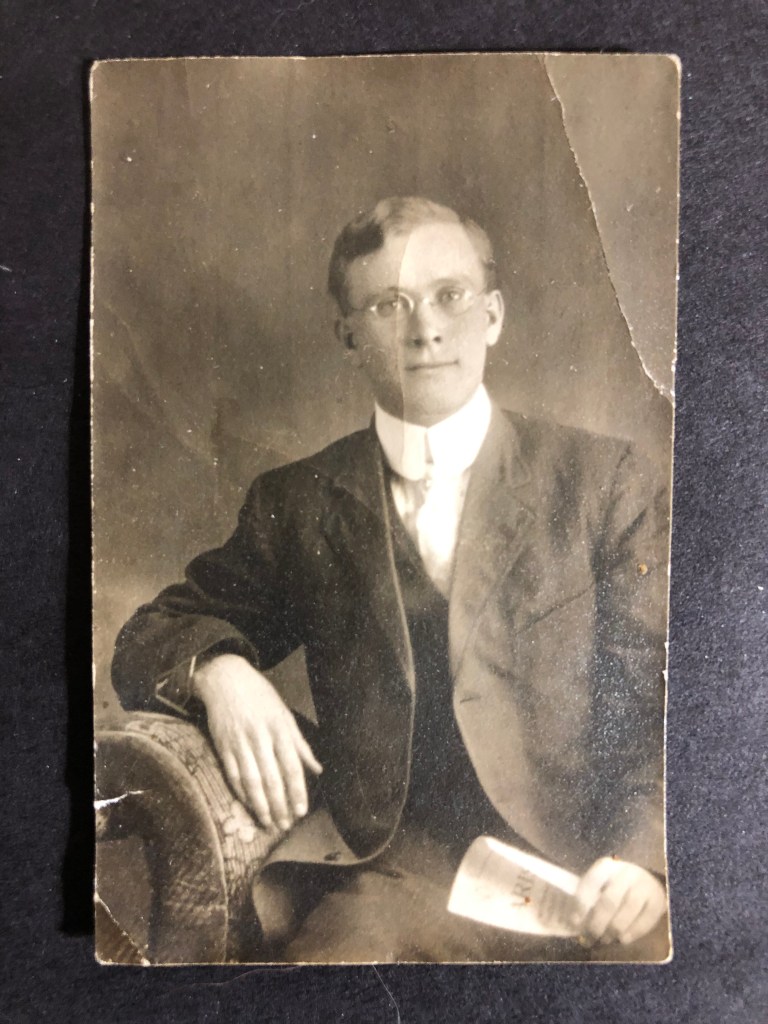
Cecil Clifford Costain, my father, was born in Ponoka, Alberta, Canada, in 1922. His father, Henry Hudson Costain, was a teacher who had grown up on a PEI farm, gotten part of a university education, and gone west as many of their generation did.
Henry Hudson Costain
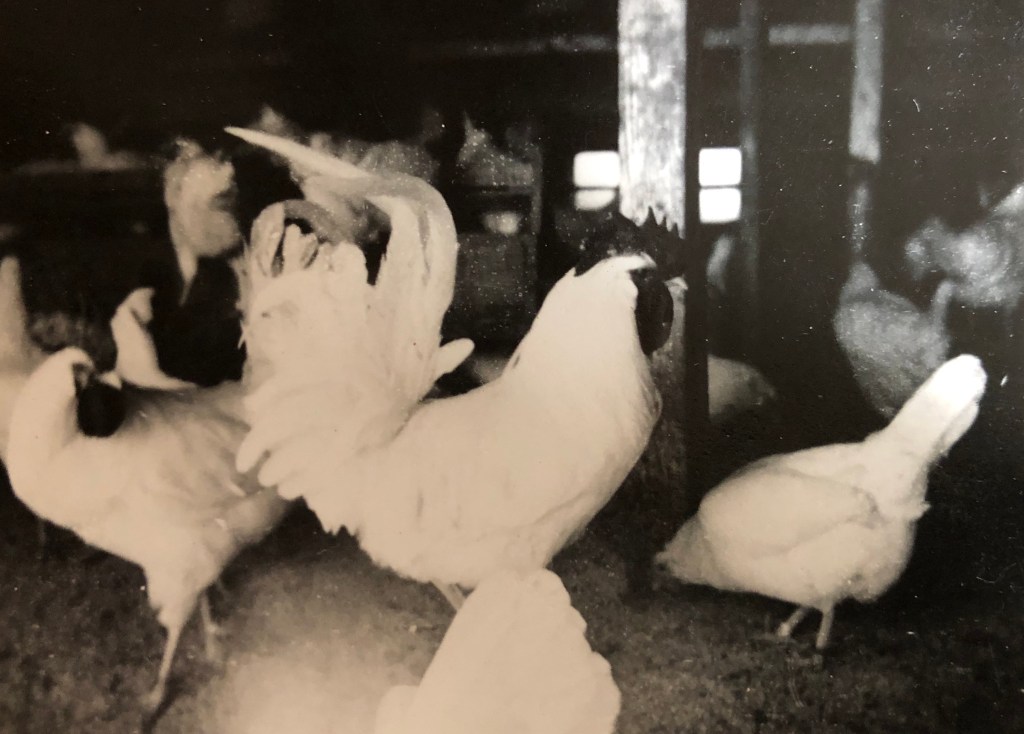
I believe he taught and became principal of schools in the west, and in 1915 married a student who had been to Normal School (Teacher’s College) possibly taught by him- Mary Elida Eakin. Teaching did not support a family, so Henry moved from Ponoka, Alberta where Cec was born, to Saskatchewan and farmed near Saskatoon. Cec had two older sisters and two younger brothers. The Depression was hard on western farmers, although the Costains were better off than some since they raised poultry. Cec apparently said he hadn’t seen his father smile for ten years.
Chickens!
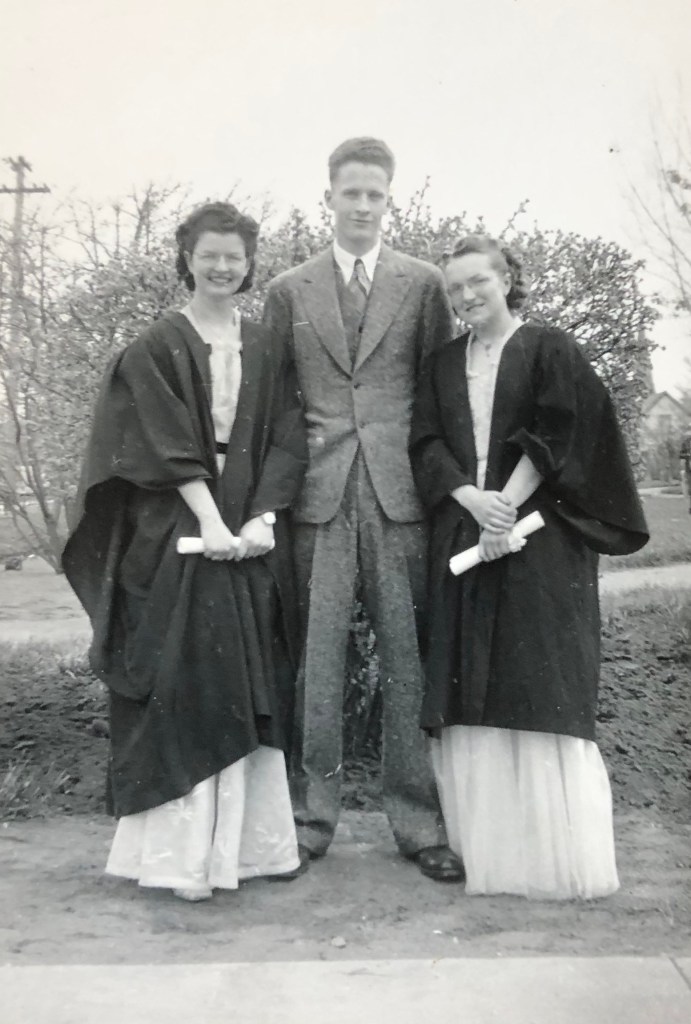
Whatever the hardships, the Costains raised their children to believe in education. The eldest, Merle, went to the University of Saskatchewan, Lena became a nurse, and Cec also entered the University of Saskatchewan at 16, and got his BSc. at 19.
B.Sc.
By then the war had started.
Cec taught new officers,
Cec as Instructor: tallest one in white lab coat.
then joined the Canadian Navy and became a radar officer.
Cec and his Dad.
He was seconded to the British Navy (making more money than even the Captain of the aircraft carrier he was assigned to) and ended up in the Pacific on H.M.S Indomitable. He earned the Distinguished Service Cross when a late night check of his radar equipment enabled him to warn the fleet of approaching Japanese bombers in time for them to scramble their own planes. (In his last year, he said that he’d never expected to live to be 21, let alone have the life he had.)
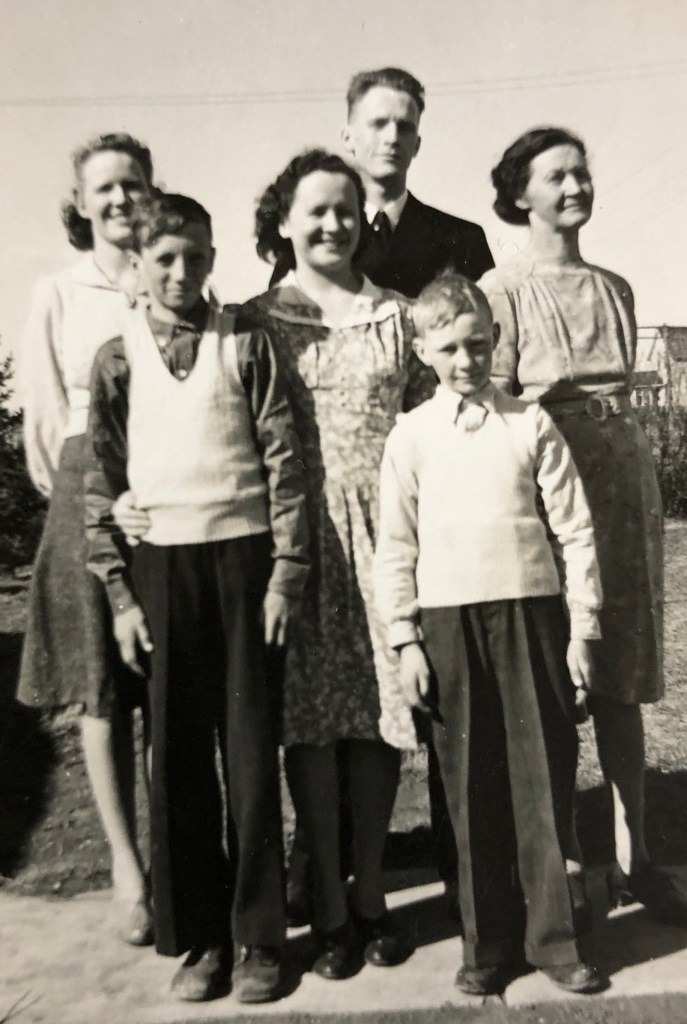
Costains: Lena, Russell, Merle, Cec, their mother Elida, and Carman in front.
Some of his letters home survive from this period- assurances that he is well, comments on local surroundings, queries about his little brothers at school, censored or general bits of news. A few snaps of a skinny Cec show how young he was.
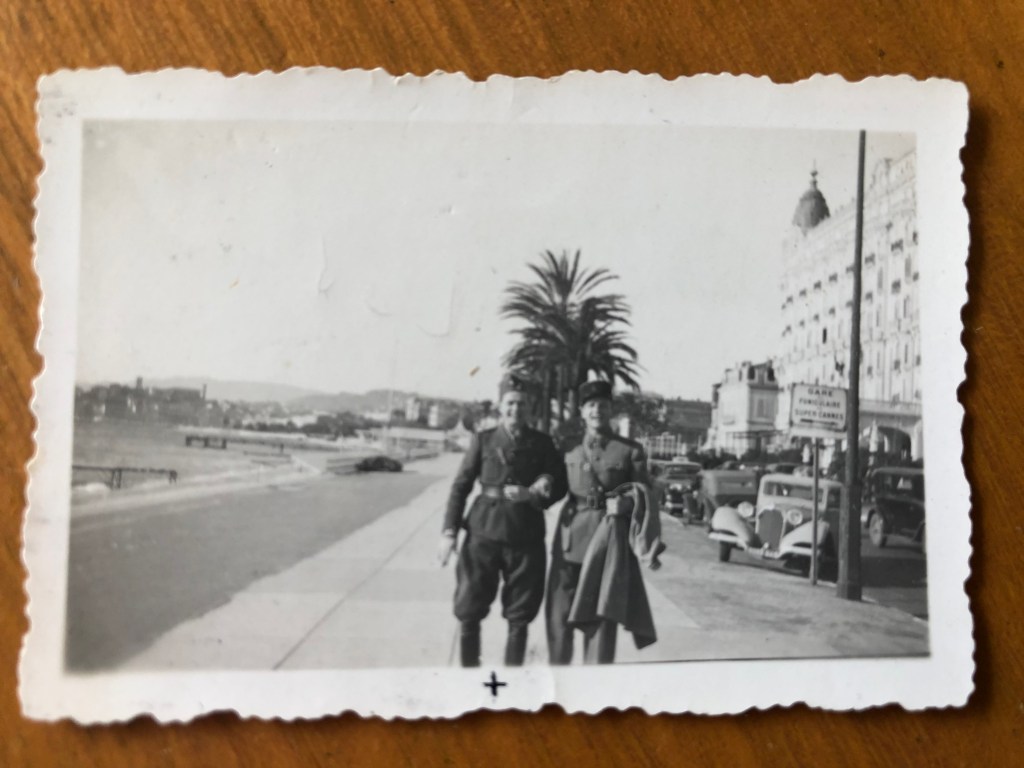
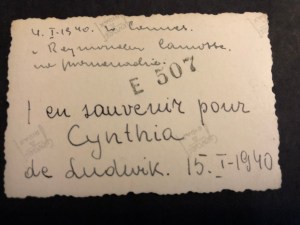
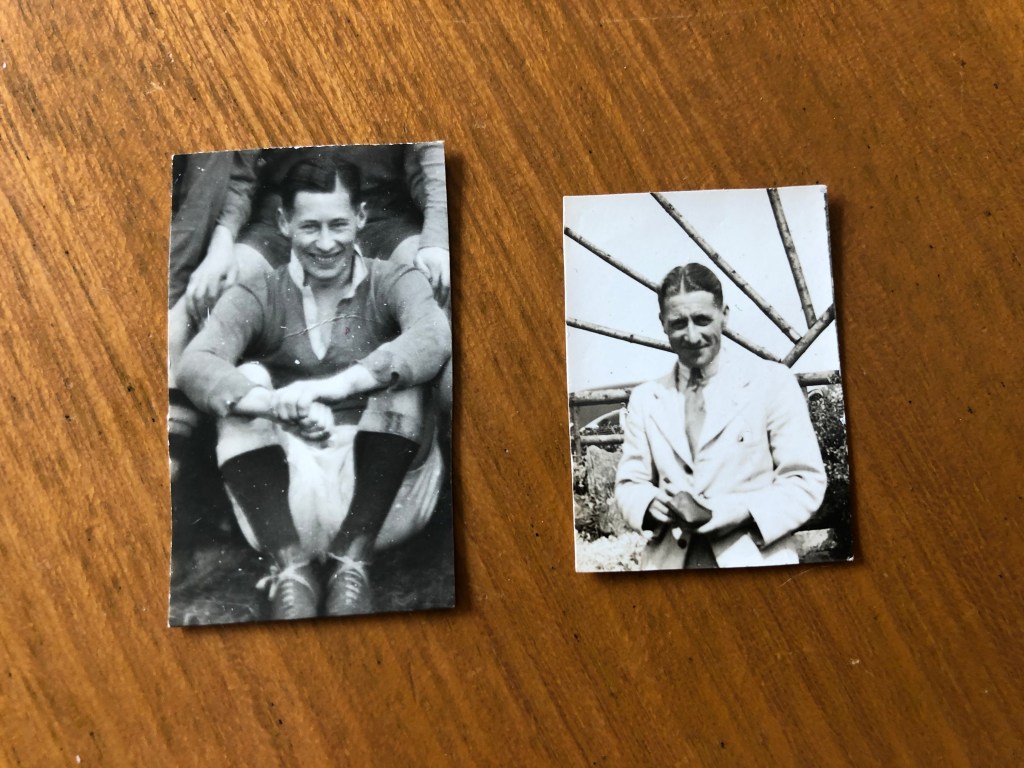
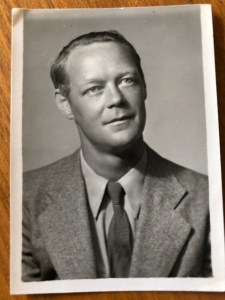
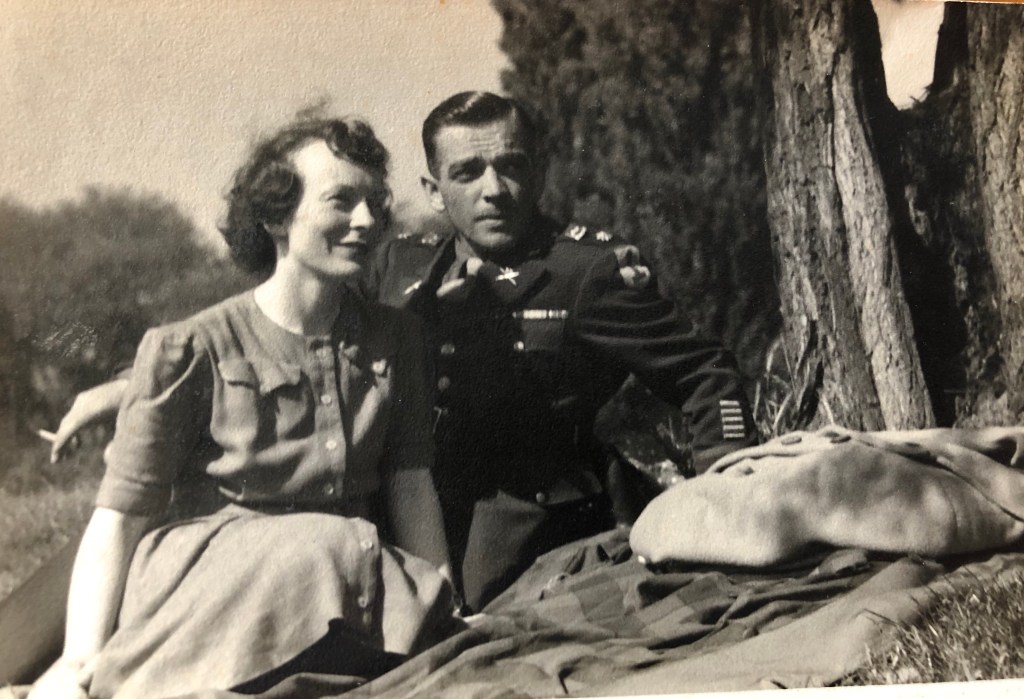
Although I do not know all of the people in the pictures here, Cynthia kept them with her wartime memorabilia, so they obviously meant something to her.
French Friends? 1940Back of photo above.Unknown facesUnknown.
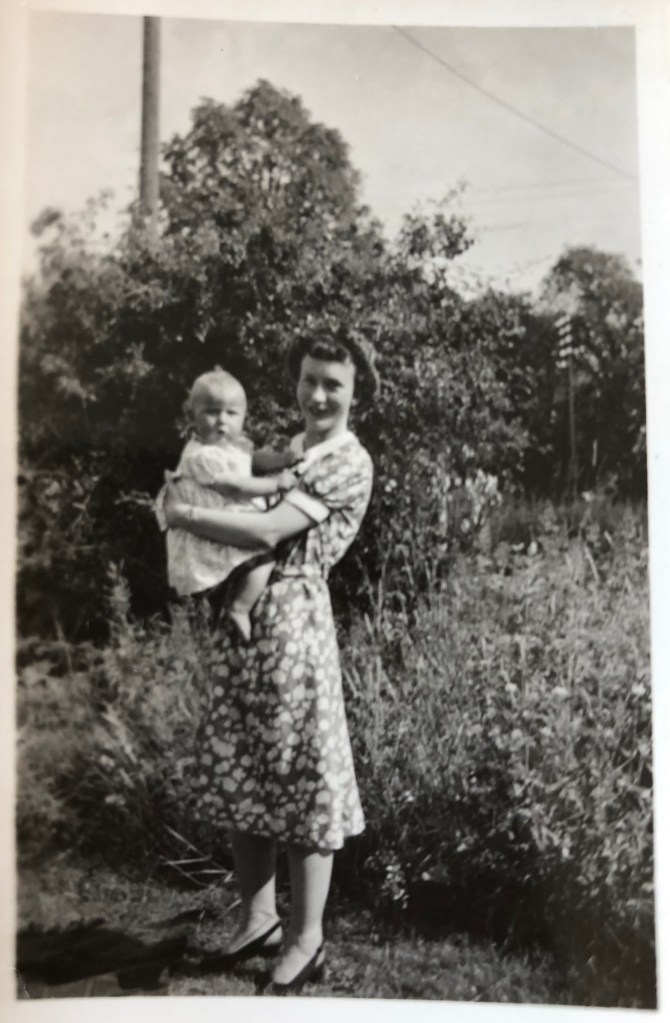
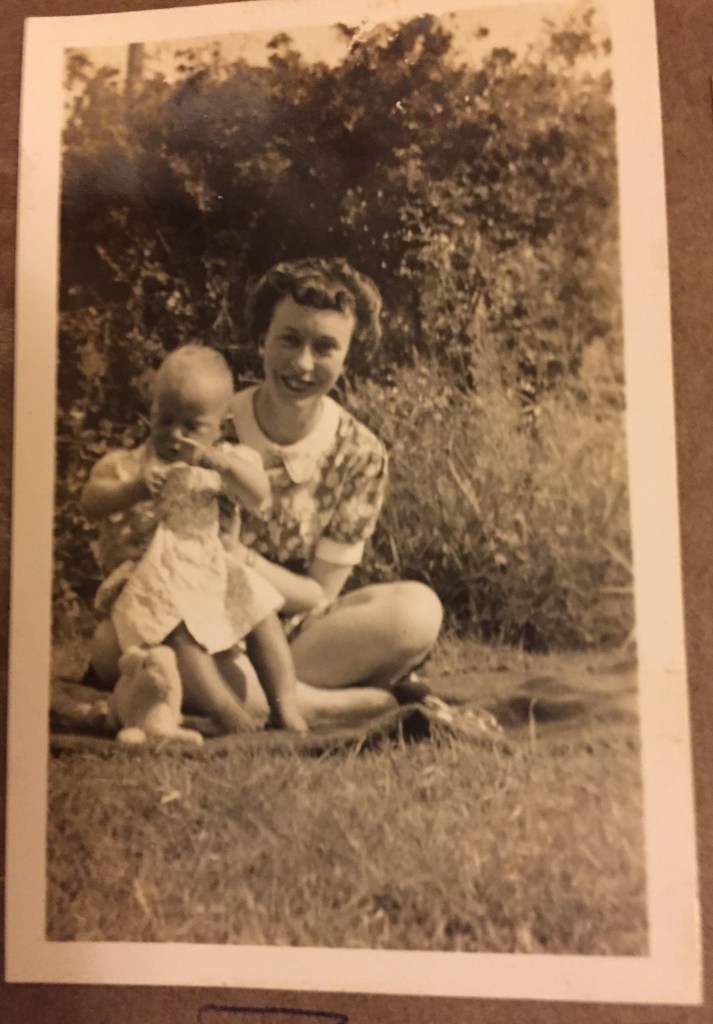
Cynthia’s friend from school, Jessie Muir, was the ‘officer’s wife’ Bobby apologized to in his last letter. Here, on a sunny day in August, are Cyn and Jessie with her daughter Zinnia.
Cynthia and Zinnia, August 1942.Jessie and ZinniaDr and Mrs EwingPolish Officer?Back of above photo.Cynthia Back of photo aboveCynthia and Hugh BrownBack of above photo.
Now, there’ll be a brief interlude with the focus off Cynthia: the posts will be moving to a Canadian mother of five, getting letters from her son on active service in the British Navy.
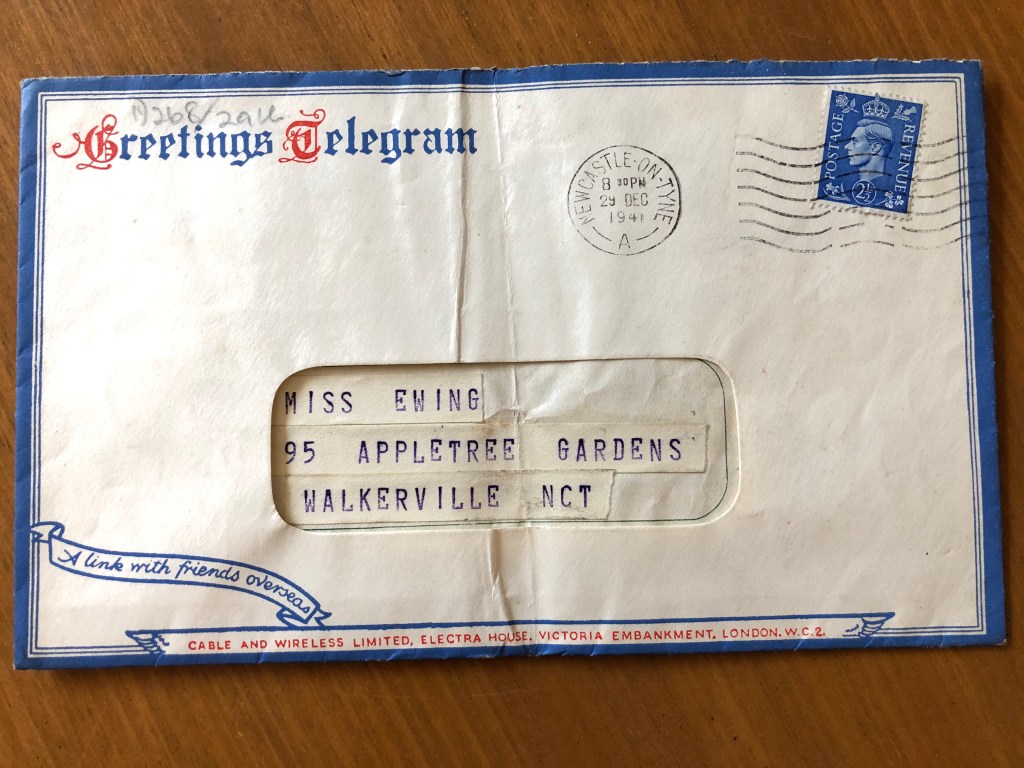
The telegram was the last note Cyn got from Bobby Sheedy. (And if anyone knows what ‘Lilliputs’ are, I’m dying to know. He thanked her twice for them!) Things were going badly in the Malayan Peninsula, and within the next two months he was sent there, to arrive just as Singapore fell in February 1942. Watch the old film ‘The Bridge on the River Kwai’ if you want to know what he went through as a POW before he died.
After I have posted all the documents I have from the war (in chronological order of course) I will sum up this period with Cynthia’s writing about it from the 1990s. I don’t suppose any of them got used to the continuing losses of their friends.
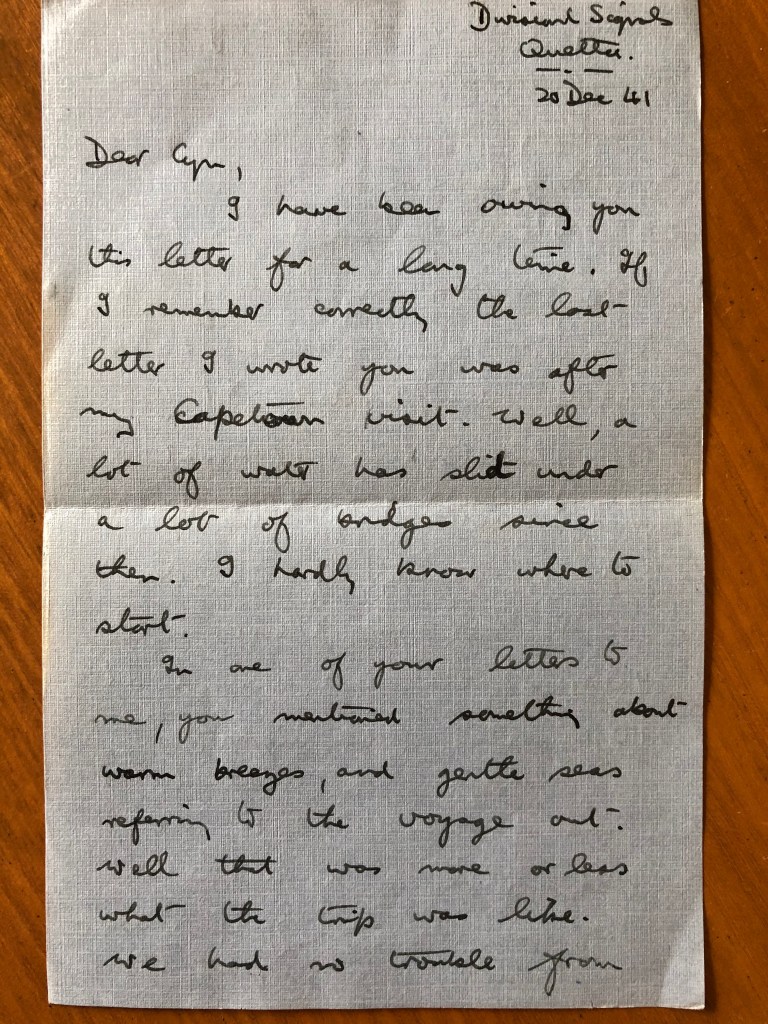
I have been owing you this letter for a long time. If I remember correctly the last letter I wrote you was after my Capetown visit. Well, a lot of water has slid under a lot of bridge since then. I hardly know where to start.
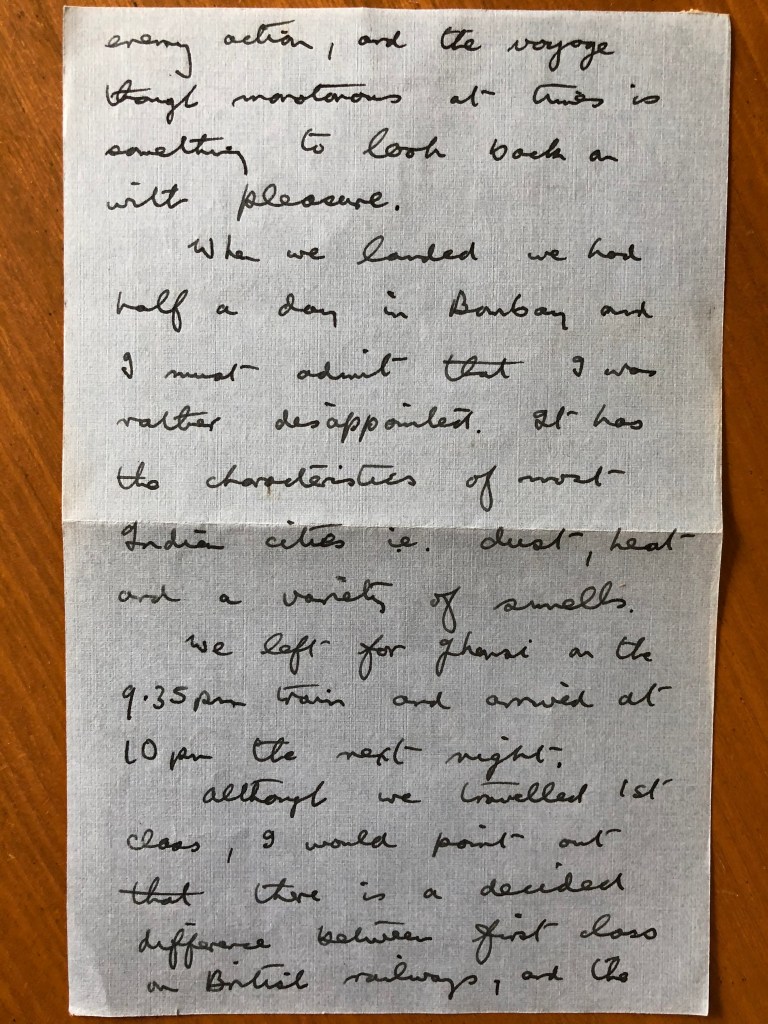
In one of your letters to me, you mentioned something about warm breezes, and gentle seas referring to the voyage out. Well that was more or less what the trip was like. We had no trouble from enemy action, and the voyage though monotonous at times is something to look back on with pleasure.
When we landed we had half a day in Bombay and I must admit that I was rather disappointed. It has the characteristics of most Indian cities i.e. dust, heat and a variety of smells.
We left for Jhansi on the 9:35 pm train and arrived at 10 pm the next night.
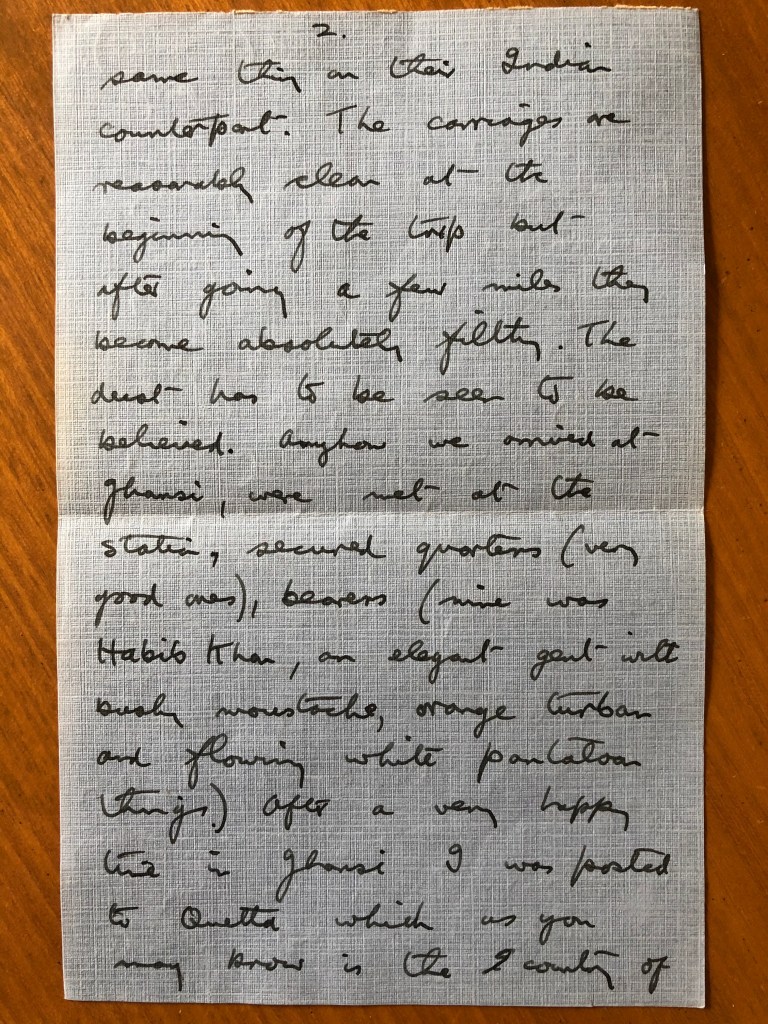
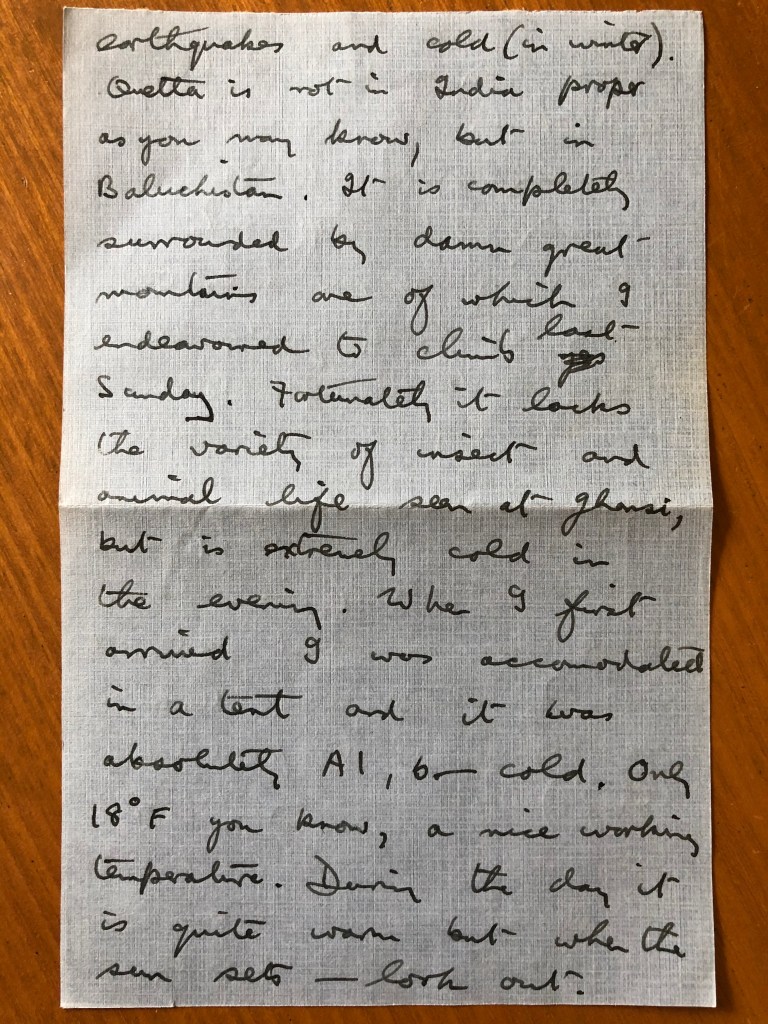
Although we travelled 1st class, I would point out that there is a decided difference between first class on British railways, and the same thing on their Indian counterpart. The carriages are reasonably clean at the beginning of the trip but after going a few miles they become absolutely filthy. The dust has to be seen to be believed. Anyhow we arrived at Jhansi , were met at the station, secured quarters (very good ones), bearers (mine was Habib Khan, an elegant gent with bushy moustache, orange turban and flowing white pantaloon things.). After a very happy time in Jhansi I was posted to Quetta which as you may know is in the country of earthquakes and cold (in winter). Quetta is not in India proper as you may know, but in Baluchistan. It is completely surrounded by damn great mountains one of which I endeavoured to climb last Sunday. Fortunately it lacks the variety of insect and animal life seen at Jhansi, but is extremely cold in the evening. When I first arrived I was accommodated in a tent and it was absolutely A1, b— cold. Only 18ºF you know, a nice working temperature. During the day it is quite warm but when the sun sets- look out.
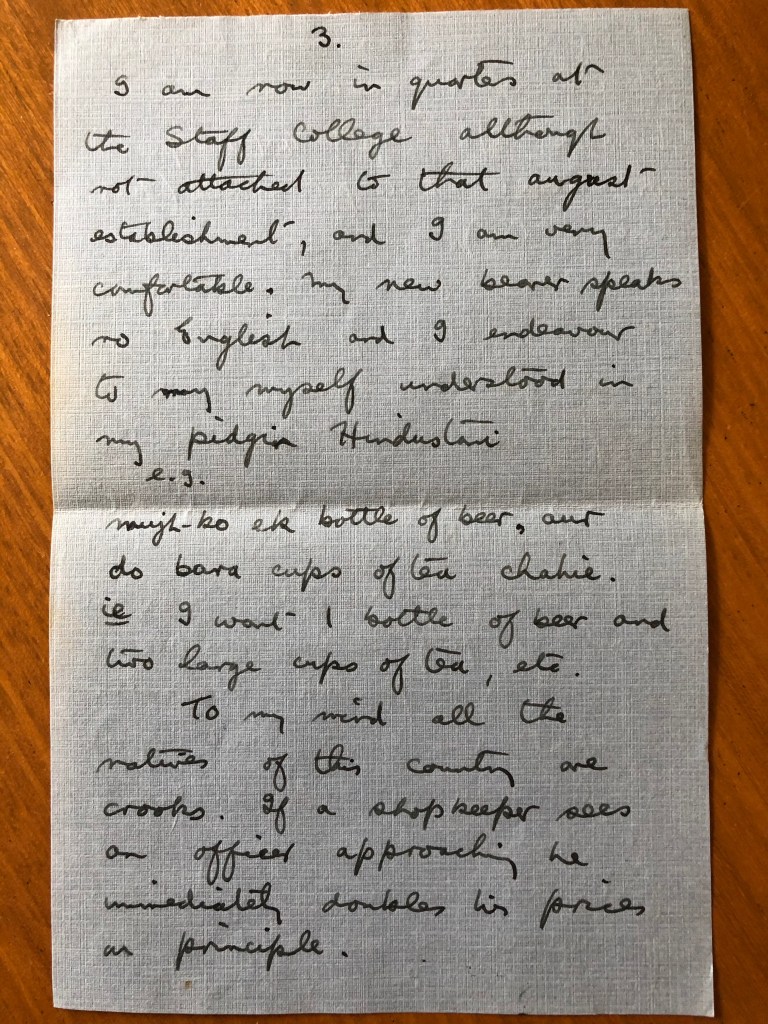
I am now in quarters at the Staff College although not attached that august establishment, and I am very comfortable. My new bearer speaks no English and I endeavour to may myself understood in my pidgin Hindustani
e.g. muji-ko ek bottle of beer, aut do bara cups of tea chahie.
i.e. I want 1 bottle of beer and two large cups of tea, etc.
To my mind all the natives of this country are crooks. If a shopkeeper sees an officer approaching he immediately doubles his prices on principle.
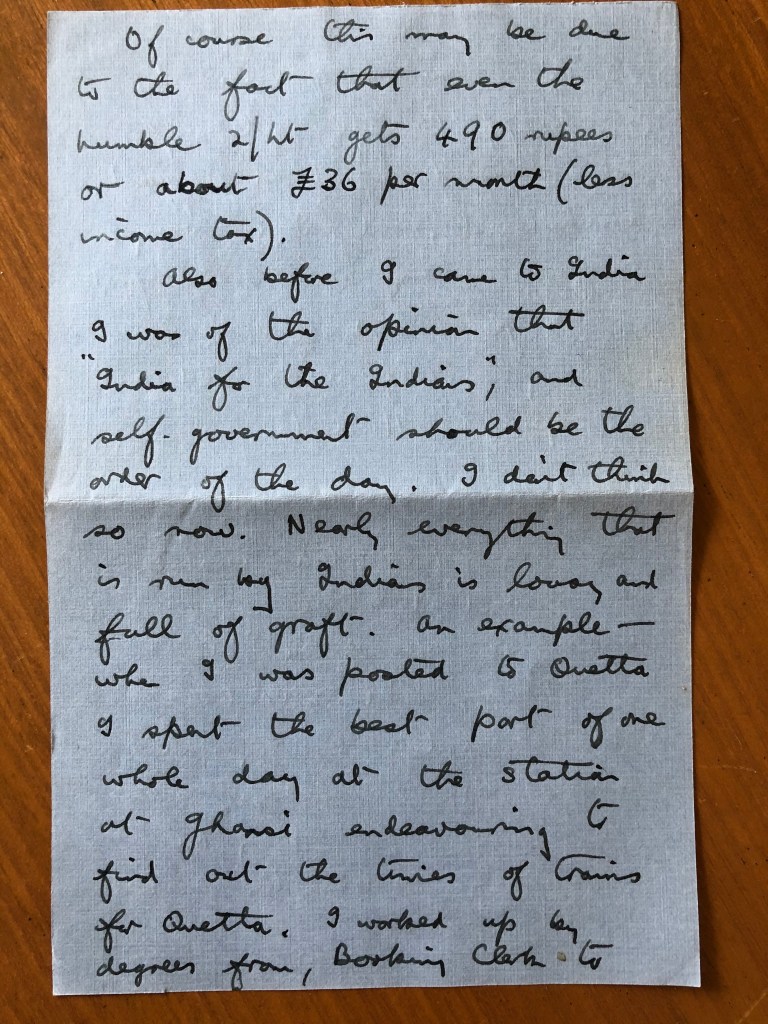
Of course this may be due to the fact that even the humble 2/Lt gets 490 rupees or about £36 per month (less income tax).
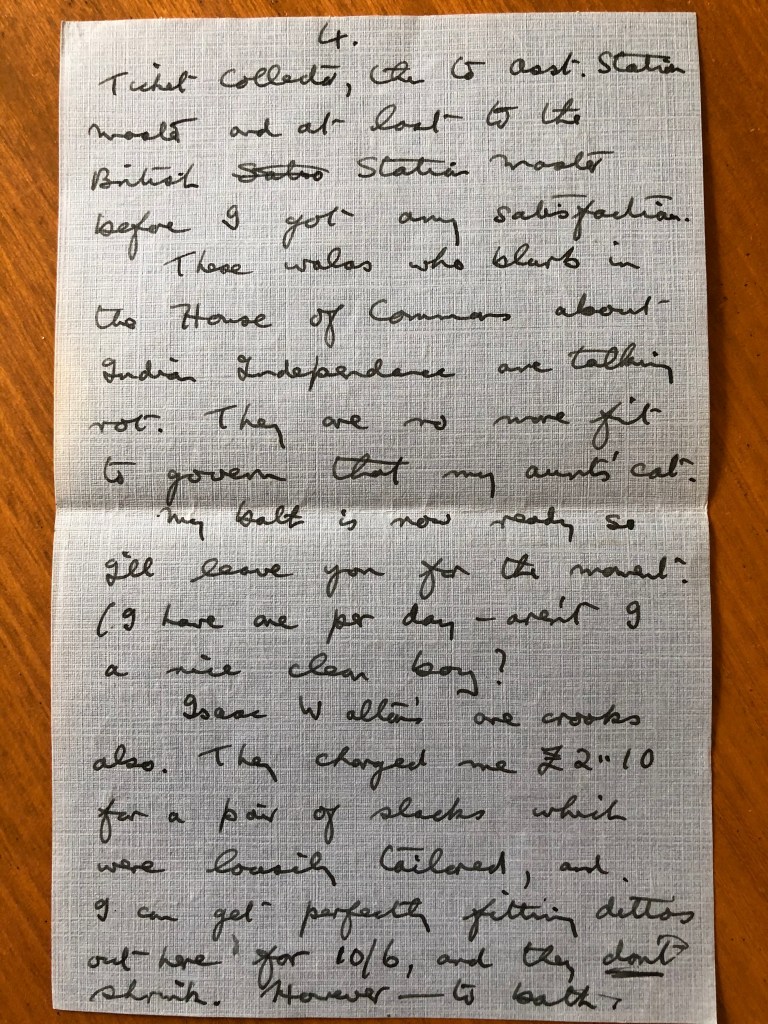
Also before I came to India I was of the opinion that ‘India for the Indians’, and self-government should be the order of the day. I don’t think so now. Nearly everything that is run by Indians is lousy and full of graft. An example- when I was posted to Quetta I spent the best part of one whole day at the station at Jhansi endeavouring to find out the times of trains for Quetta. I worked up by degrees from, Booking Clerk to Ticket Collector, then to Asst. Station master and at last to the British Station Master before I got any satisfaction.
These wallas who blurb in the House of Commons about Indian Independence are talking rot. They are no more fit to govern that my aunt’s cat.
My bath is now ready so I’ll leave you for the moment. (I have one per day- aren’t I a nice clean boy?
Issac Walton’s are crooks also. The charged me £2:10 for a pair of slacks which were lousily tailored, and I can get perfectly fitting dittos out here for 10/6, and they don’t shrink. However—- to bath.
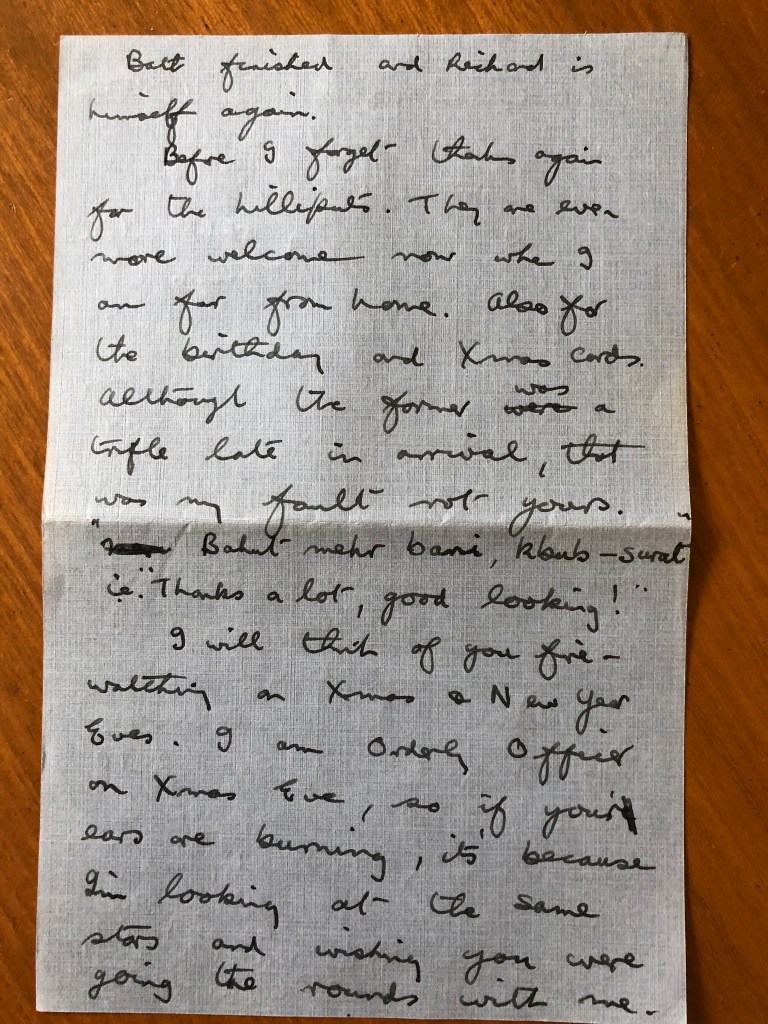
Bath finished and Richard is himself again.
Before I forget thanks again for the Lilliputs. They are even more welcome now when I am far from home. Also for the birthday and Xmas cards. Although the former was a trifle late in arrival, that was my fault not yours.”Bahut meh bari, kbub-surat.” i.e. “Thanks a lot, good looking!”
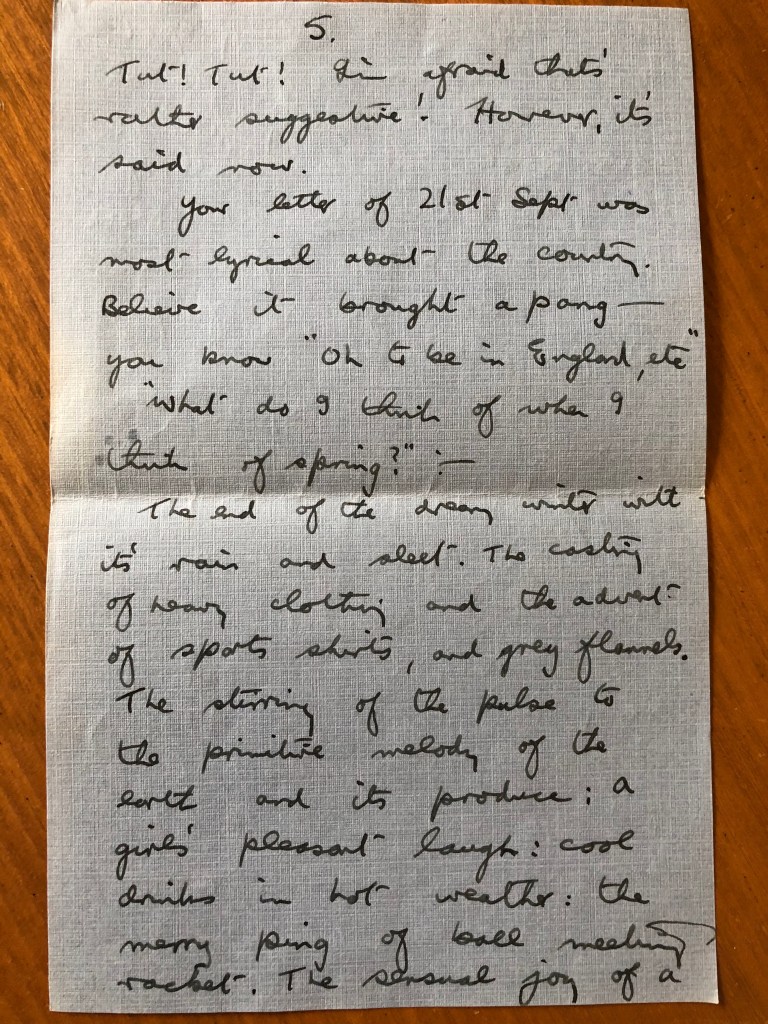
I will think of you fire-watching on Xmas & New Year’s Eves. I am Orderly Officer on Xmas Eve, so if your ears are burning, its’ because I’m looking at the same stars and wishing you were going the rounds with me. Tut! Tut! I’m afraid that’s rather suggestive! However, it’s said now.
Your letter of 21st Sept was most lyrical about the country. Believe it brought a pang- you know “Oh to be in England, etc” “What do I think of when I think of spring?”:-
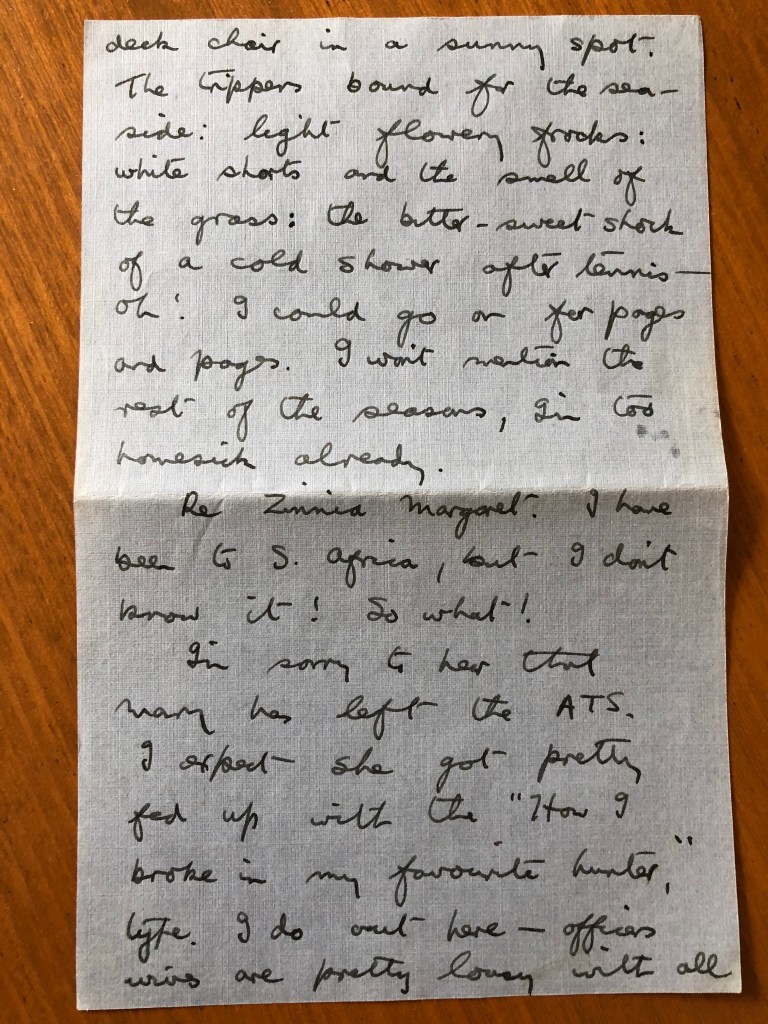
The end of dreary winter with its’ rain and sleet. The casting of heavy clothing and the advent of sports shirts, and grey flannels. The stirring of the pulse to the primitive melody of the earth and its produce; a girl’s pleasant laugh: cool drinks in hot weather: the merry ping of ball meeting racket. The sensual joy of a deck chair in a sunny spot. The trippers bound for the sea-side: light flowery frocks: white shorts and the smell of the grass: the bitter-sweet shock of a cold shower after tennis- oh! I could go on for pages and pages. I won’t mention the rest of the seasons, I’m too homesick already.
Re Zinnia Margaret. I have been to S. Africa but I don’t know it! So what!
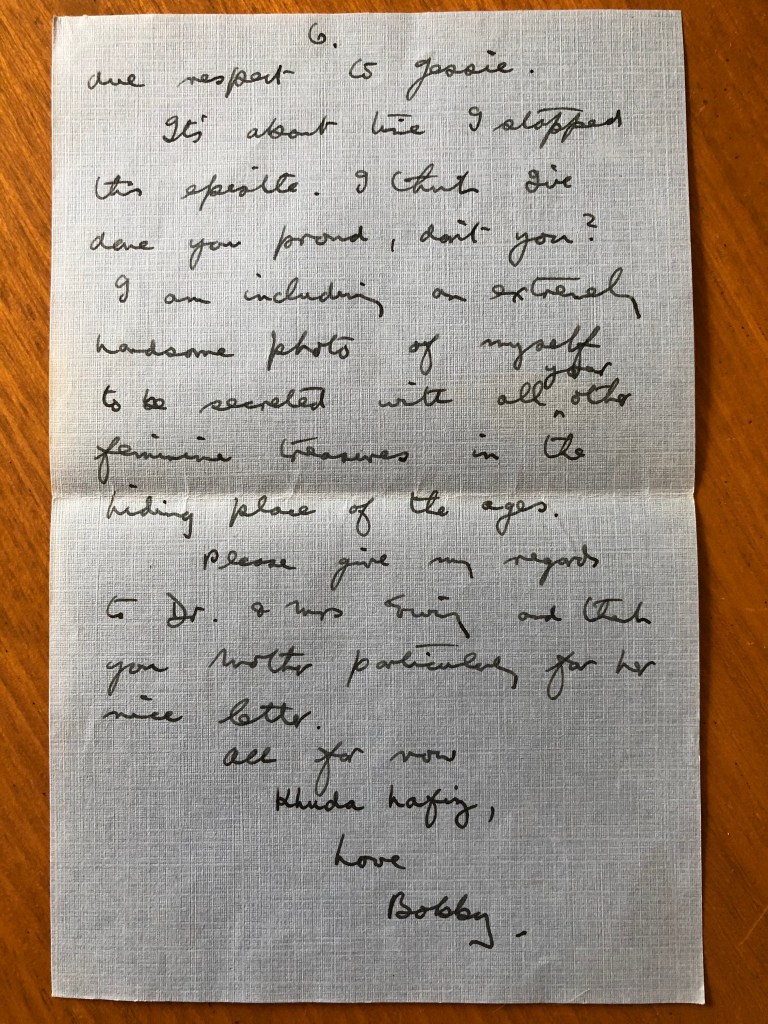
I’m sorry to hear that Mary has left the ATS. I expect she got pretty fed up with the “How I broke in my favourite hunter” type. I do out here- officers wives are pretty lousy with all due respect to Jessie.
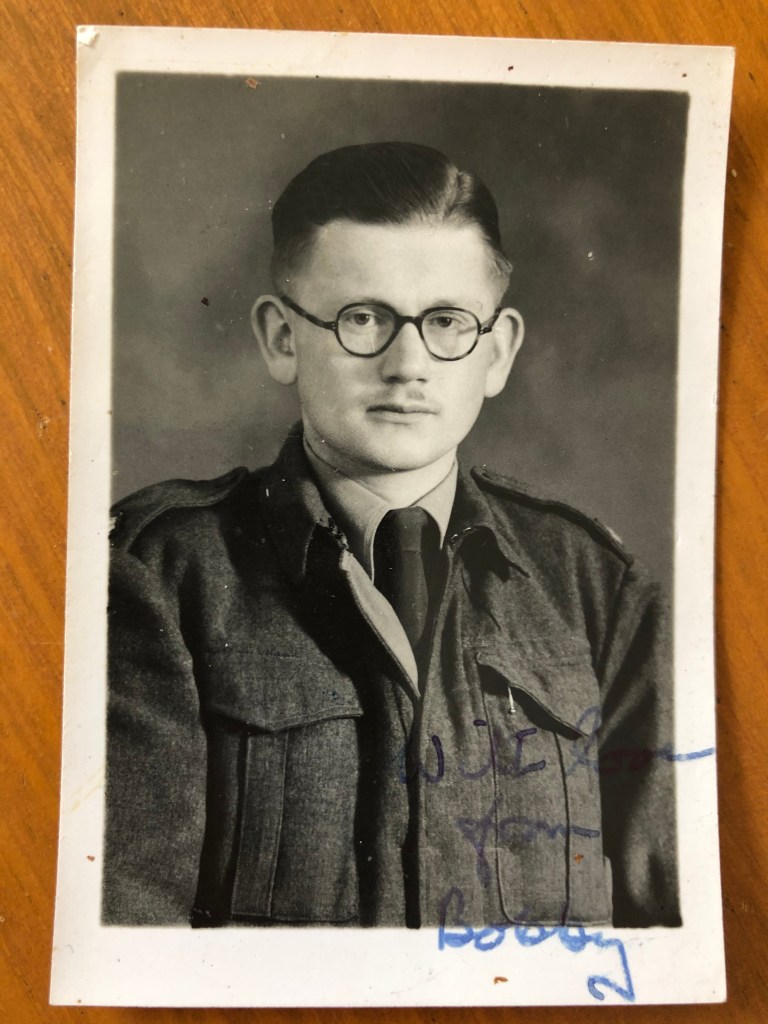
It’s about time I stopped this epistle. I think I’ve done you proud, don’t you? I am including an extremely handsome photo of myself to be secreted with all your other feminine treasures in the hiding place of the ages.
Please give my regards to Dr. and Mrs Ewing and thank your mother particularly for her nice letter.
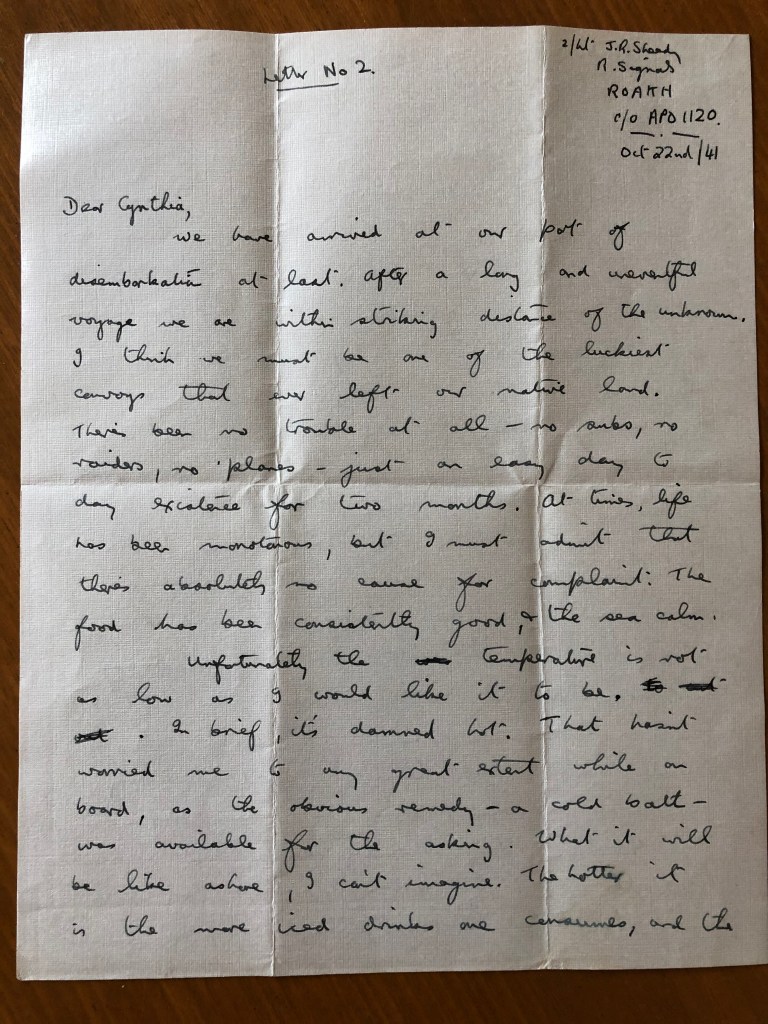
We have arrived at our port of disembarkation at last. After a long and uneventful voyage we are within striking distance of the unknown. I think we must be one of the luckiest convoys that ever left our native land. There’s been no trouble at all- no subs, no raider, no ‘planes- just an easy day to day existence for two months. At times, life has been monotonous, but I must admit that there’s absolutely no cause for complaint: The food has been consistently good, & the sea calm.
Unfortunately the temperature is not as low as I would like it to be. In brief, it’s damned hot. That hasn’t worried me to any great extent while on board, as the obvious remedy- a cold bath- was available for the asking. What it will be like ashore, I can’t imagine. The hotter it is the more iced drinks one consumes, and the more liquid down the sink the greater the activity of the sweat glands- a vicious circle.
We shan’t go ashore until to-morrow. I don’t exactly know why we are hanging about the bay, but there it is- to-morrow is the great day. After that I think we will have 12 hours in the train. That’s just a guess; as yet, we have had no information as to our destination.
We (the Signals) had a party three days ago. Each unit has given a party and ours was a very hectic affair. The only drink going was gin. It’s very cheap, much more so than beer, but, by Jove, is it poison! We had it in variety of forms- Pink Gin, Gin & Lime, Gin & Orange, Gin & Lemon etc. There were about 50 officers present and we put away 750 odd drinks in 1 1/2 hours. This works out at about 15 per man. The binge started at 12 noon, and at 1:30- when we went to lunch I felt O.K., if a trifle merry. After lunch I went to my cabin for a rest. Then the potion began to take effect. I felt extremely sick, but couldn’t go further than that. When I closed my eyes the ship started to loop the loop, and an unseen orchestra played sweet music. After this spasm perspiration rolled off me like rain. Eventually I fell asleep after praying for death, and was out for three hours. No more gin in the morning for me. In fact no more gin; I know now why it’s called “Mother’s Ruin”.
I haven’t heard a word from home for two months. I hope that everything is OK- and that all the buildings that where standing when I left are retaining the status quo. Perhaps, I’ll find some correspondence waiting for me at destination- here’s hoping.
That must be all for now Cyn- I’ll write you again when we are settled in. Oh! I hope you had a good Xmas and New Year and managed to keep sober.
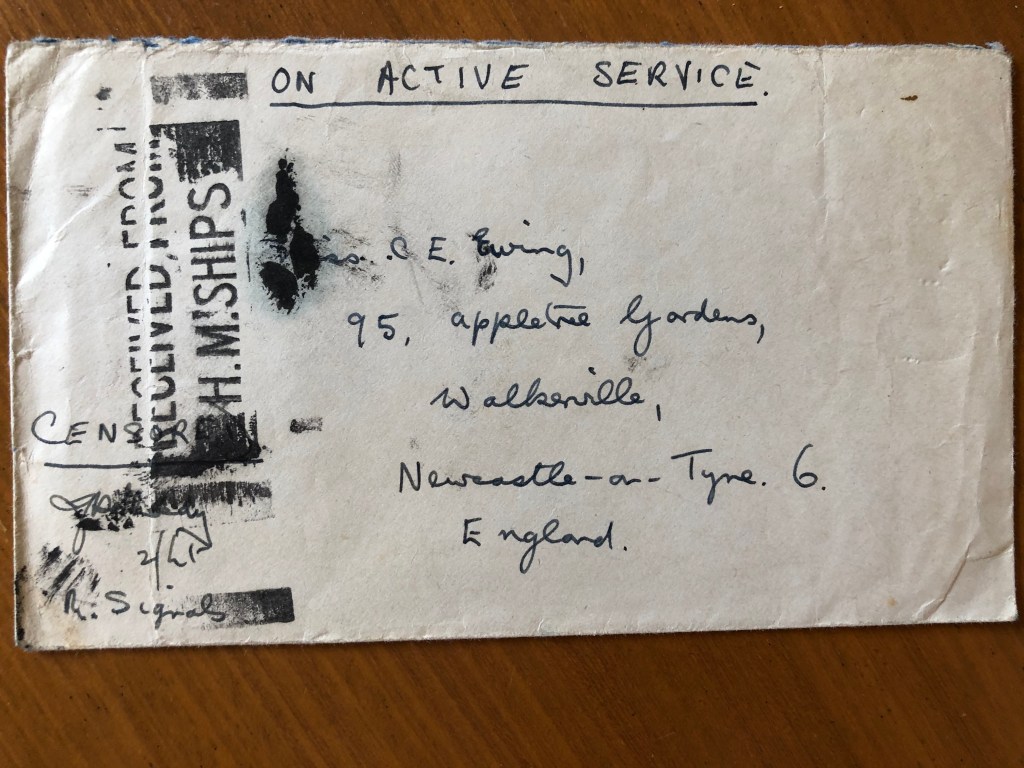
A year after the previous letter, Bobby is on a ship bound for an undisclosed destination. It must have been a difficult position for passengers- aware of the possible dangers from the enemy and weather, but unable to do anything about it. And not likely that they had the entertainments Cynthia had enjoyed two years previously on the Cunard ships! But it did give Bobby a glimpse of the wider world.
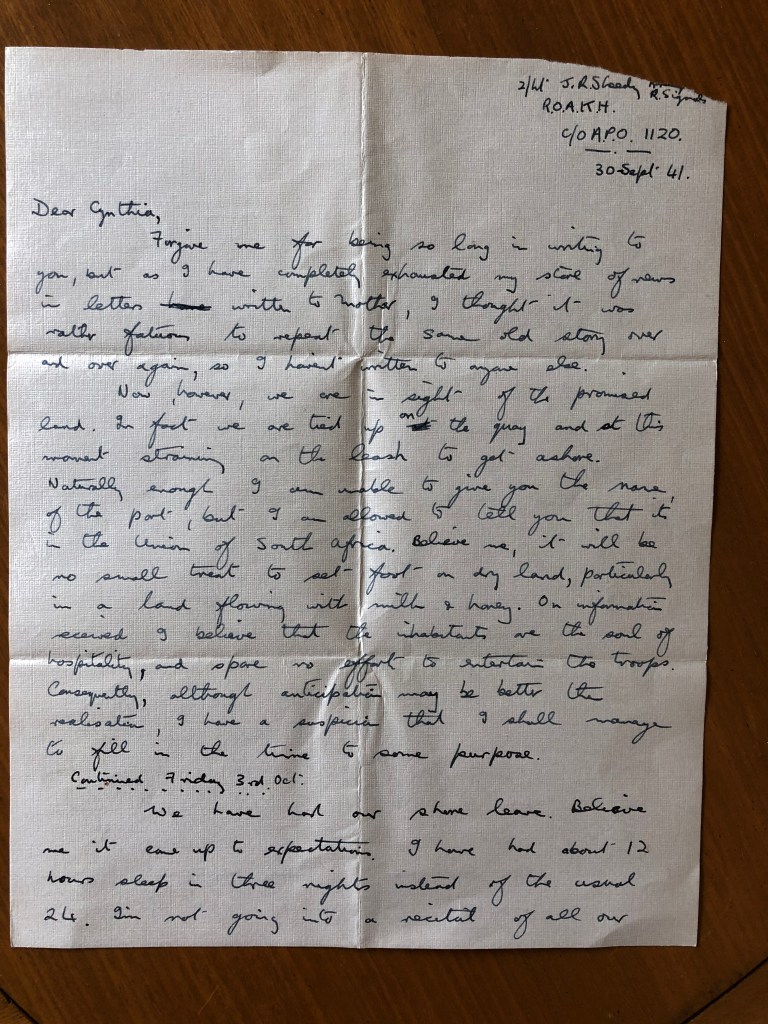
2/Lt J.R.Sheedy. R. Signals R.O.A.K.H. c/o A.P.O. 1120
30-Sept. 41.
Dear Cynthia,
Forgive me for being so long in writing to you, but as I have completely exhausted my store of news in letters written to Mother, I thought it was rather fatuous to repeat the same old story over and over again, so I haven’t written to anyone else.
Now, however, we are in sight of the promised land. In fact we are tied up on the quay and at this moment straining on the leash to get ashore. Naturally enough I am unable to give you the name of the port, but I am allowed to tell you that it’s in the Union of South Africa. Believe me, it will be no small treat to set foot on dry land, particularly in a land flowing with milk and honey. On information received I believe that the inhabitants are the soul of hospitality, and spare no effort to entertain the troops. Consequently, although anticipation may be better than realization, I have a suspicion that I shall manage to fill in the time to some purpose..
Continued Friday 3rd Oct.
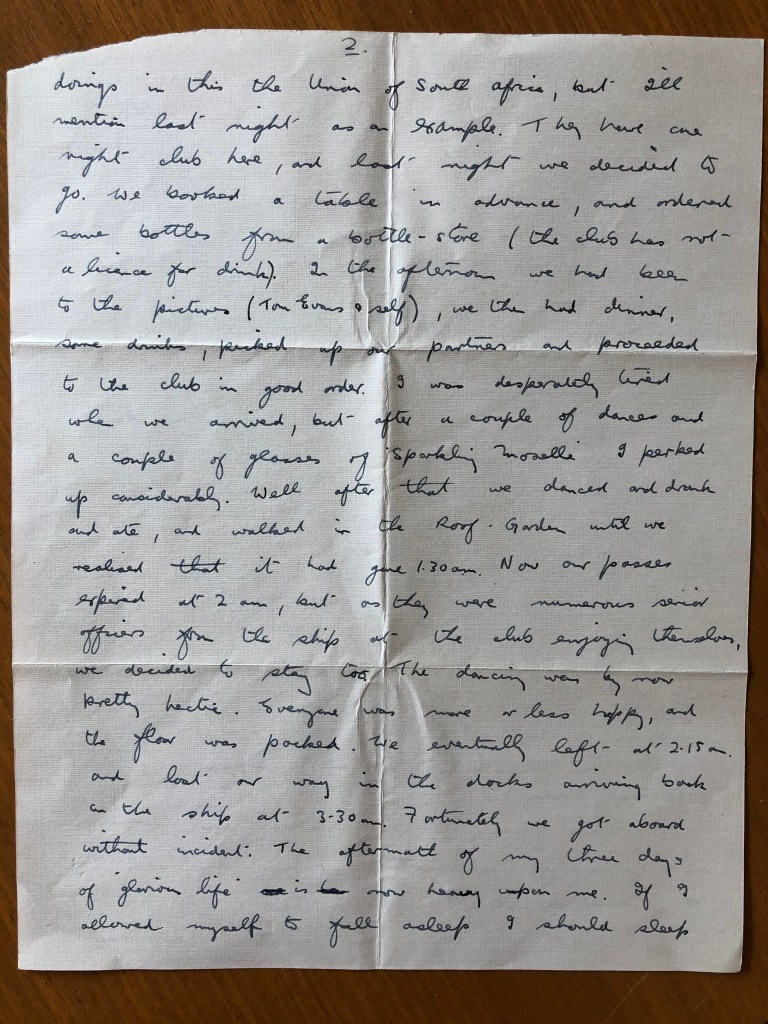
We have had our shore leave. Believe me it came up to expectation. I have had about 12 hours sleep in three nights instead of the usual 24. I’m not going into a recital of all our doings in this the Union of South Africa, but I’ll mention last night as an example. They have one night club here, and last night we decided to go. We booked a table in advance, and ordered some bottles from a bottle-store (the club has not a licence for drink). In the afternoon we had been to the pictures (Tom Evans & self), we then had dinner, some drinks, picked up our partners and proceeded to the club in good order. I was desperately tired when we arrived, but after a couple of dances and a couple of glasses of ‘Sparkling Moselle’ I perked up considerably. Well after that we danced and drank and ate, and walked in the Roof Garden until we realised that it had gone 1:30 am. Now our passes expired at 2 am, but as there were numerous senior officers from the ship at the club enjoying themselves, we decided to stay too. The dancing was by now pretty hectic. Everyone was more or less happy, and the floor was packed. We eventually left at 2:15 am, and lost our way in the docks arriving backing the ship at 3:30 am. Fortunately we got aboard without incident. The aftermath of my three days of ‘glorious life’ is now heavy upon me. If I allowed myself to fall asleep I should sleep for weeks.
Two more news items:- there’s a fellow (2/Lt) in the RAOC occupying the cabin opposite mine. His name is Len (Pudding) Rice and he apparently knows Denis Dodds well. I think he was at the Modern School and after that at the R. Grammar.
One morning, I was in Barclays Bank to cash a cheque, and after signing the naval forms applicable, I was standing in a corner of the bank waiting to see the Sub Manager. I turned round and immediately saw a fellow who was at school with me. His name is Woll; I don’t know whether you know him. The last time I saw him was at the Old Assembly Rooms, when I was there at a dance on my Embarkation Leave. I won’t say “It’s a …… world”, but you know what I mean.
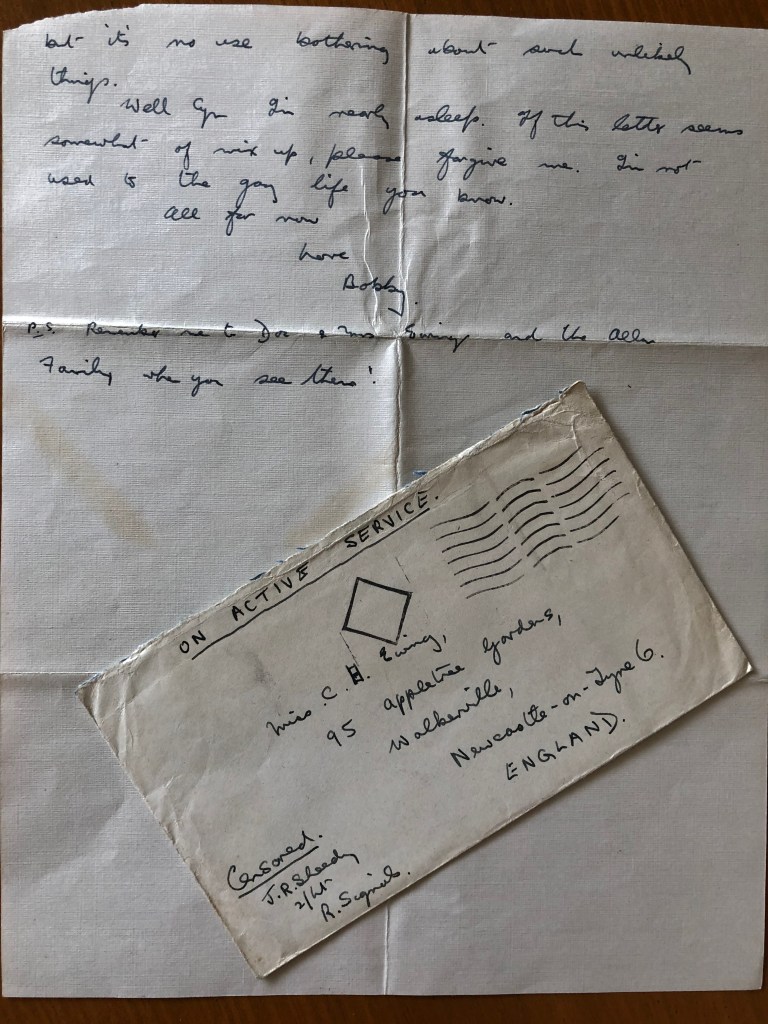
Incidentally, I meant to send off my Xmas cards, or perhaps I should say that I intended to buy some to send off, but I’ve been so terribly rushed that I haven’t yet got any. This letter may reach you at Xmas or later, so please accept these my best wishes for a normal happy Xmas and loads of fun at New Year. God, how I wish I could be home for it all but it’s no use bothering about such unlikely things.
Well Cyn I’m nearly asleep. If this letter seems somewhat of mix-up, please forgive me. I’m not used to the gay life you know.
All for now,
Love
Bobby.
P.S. Remember me to Doc & Mrs Ewing and the Allen Family when you see them!
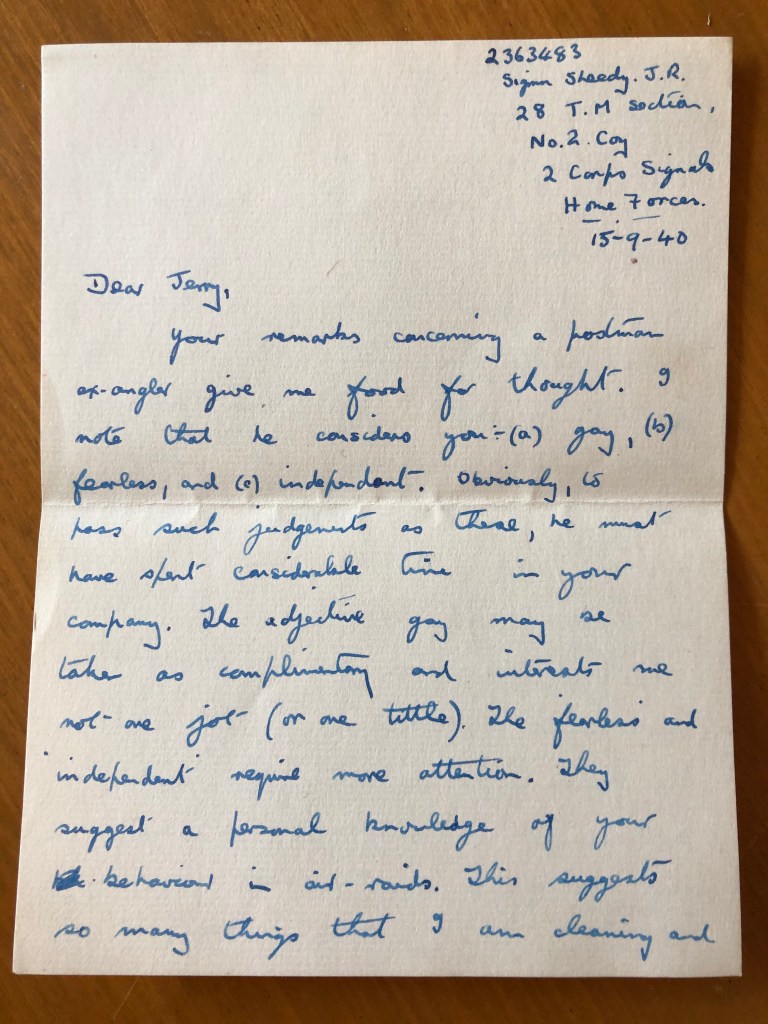
By September 1940, the Battle of Britain had been going on for a couple of months, and the nightly bombing of London, the Blitz, had started. The fighting was confined to the air forces on both sides, and the German bombers were known as ‘the Jerries’, a holdover from World War One. Beyond that, I do not know which ‘Jerry’ he is referring to, although I presume Cynthia understood what bit of propaganda he is addressing. (Any knowledgeable reader, please advise.)
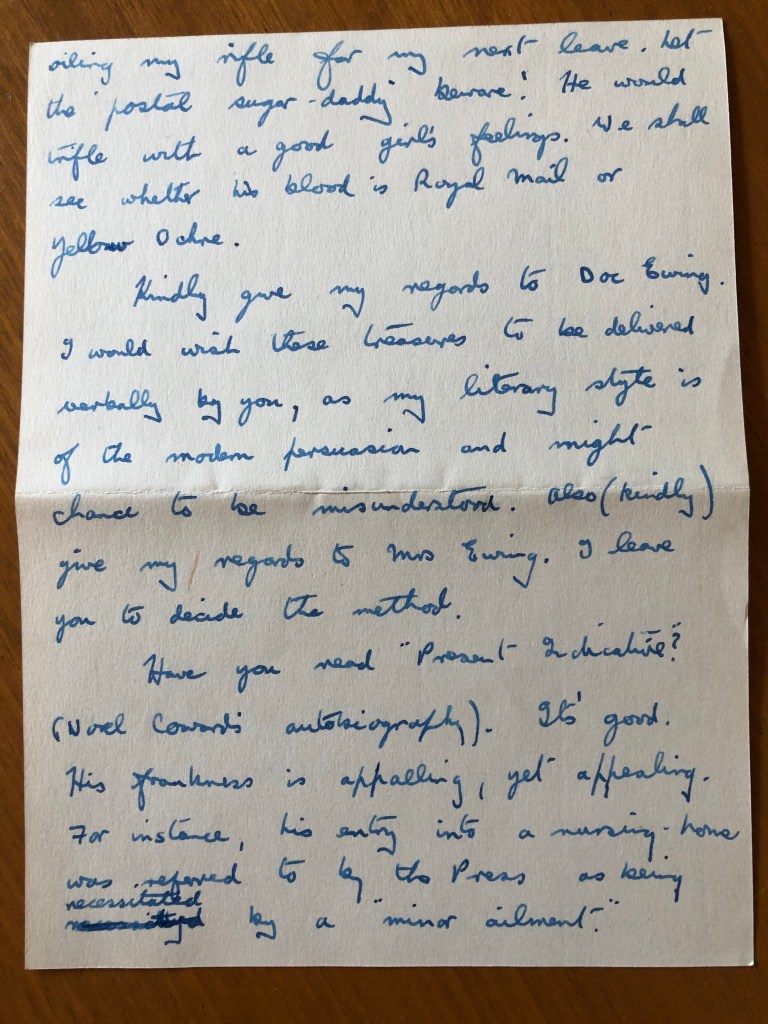
Your remarks concerning a postman ex-angler give me food for thought. I note that he considers you: (a) gay, (b) fearless, and (c) independent. Obviously, to pass such judgements as these, he must have spent considerable time in your company. The adjective gay may be taken as complimentary and interests me not one jot (or one tittle). The ‘fearless’ and ‘independent’ require more attention. They suggest a personal knowledge of your behaviour in air-raids. This suggests so many things that I am cleaning and oiling my rifle for my next leave. Let the ‘postal sugar-daddy’ beware! He would trifle with a good girl’s feelings. We shall see whether his blood is Royal Mail or Yellow Ochre.
Kindly give my regards to Doc Ewing. I would wish these treasures to be delivered verbally by you, as my literary style is of the modern persuasion and might chance to be misunderstood. Also (kindly) give my regards to Mrs Ewing. I leave you to decide the method.
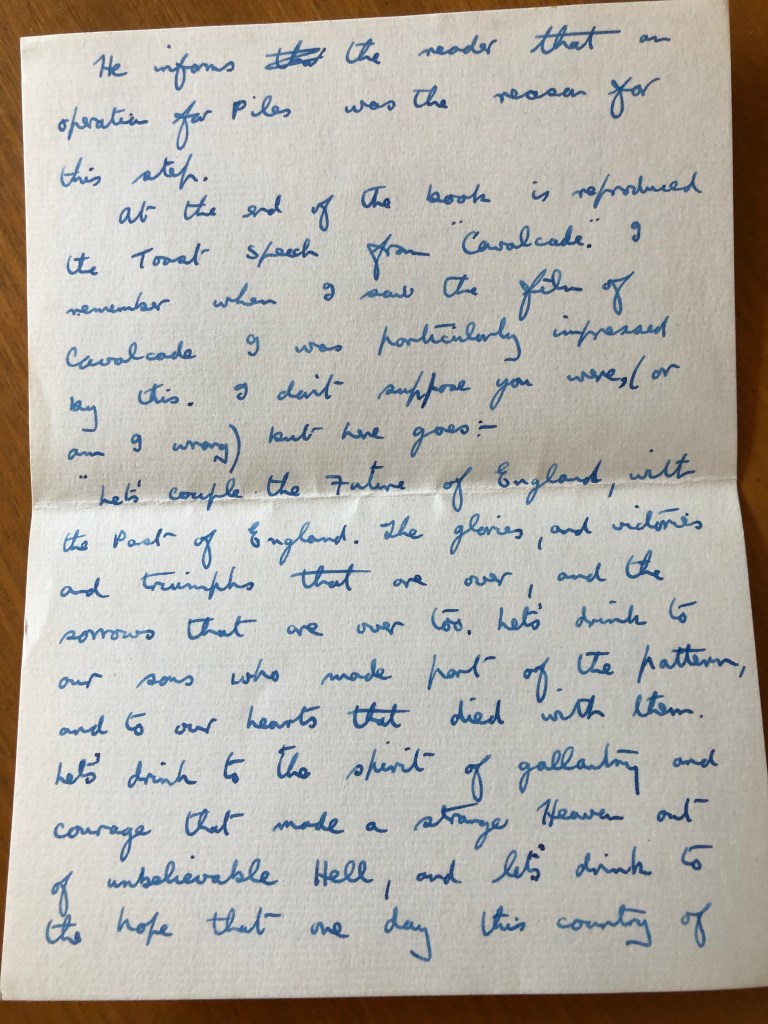
Have you read “Present Indicative”? (Noel Coward’s autobiography). It’s good. His frankness is appalling, yet appealing. For instance, his entry into a nursing home was referred to by the Press as being necessitated by a “minor ailment”. He informs the reader that an operation for Piles was the reason for this step.
At the end of the book is reproduced the Toast Speech from “Cavalcade”. I remember when I saw the film of Cavalcade I was particularly impressed by this. I don’t suppose you were, (or am I wrong) but here goes:-
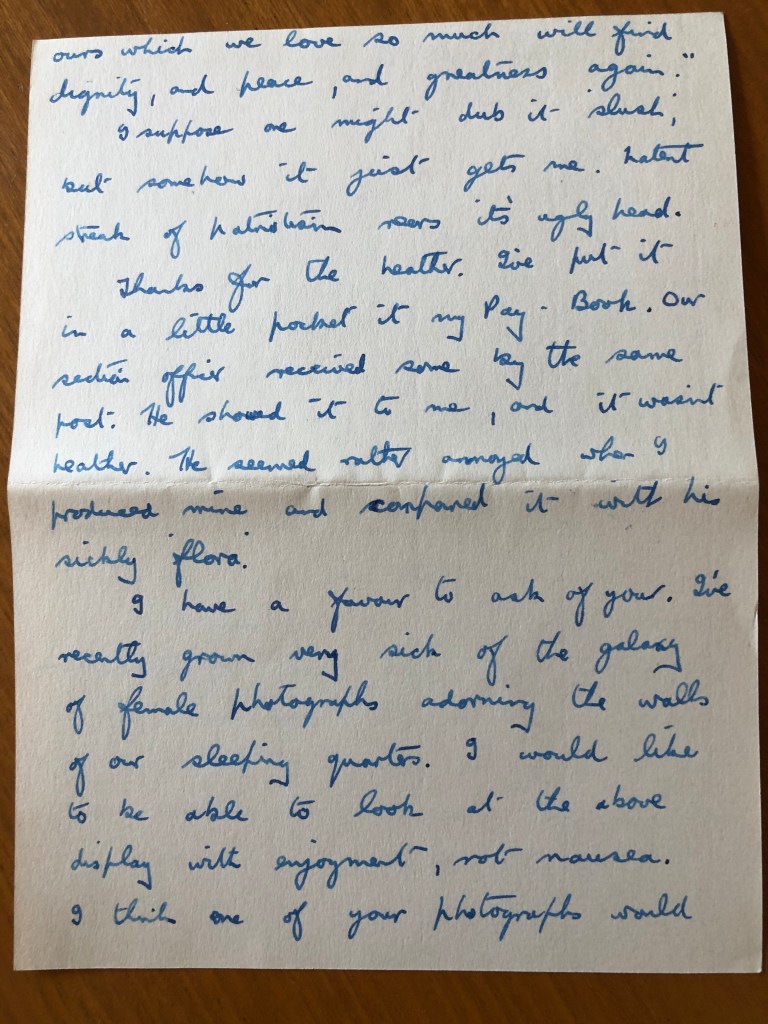
“Let’s couple the Future of England” with the “Past of England”. The glories, and victories and triumphs that are over, and the sorrows that are over too. Let’s drink to our sons who made part of the pattern, and to our hearts that died with them. Let’s drink to the spirit of gallantry and courage that made a strange Heaven out of unbelievable Hell, and let’s drink to the hope that one day this country ours which we love so much will find dignity , and peace, and greatness again.”
I suppose one might dub it ‘slush’ but somehow it just gets me. Latent streak of patriotism rears its’ ugly head.
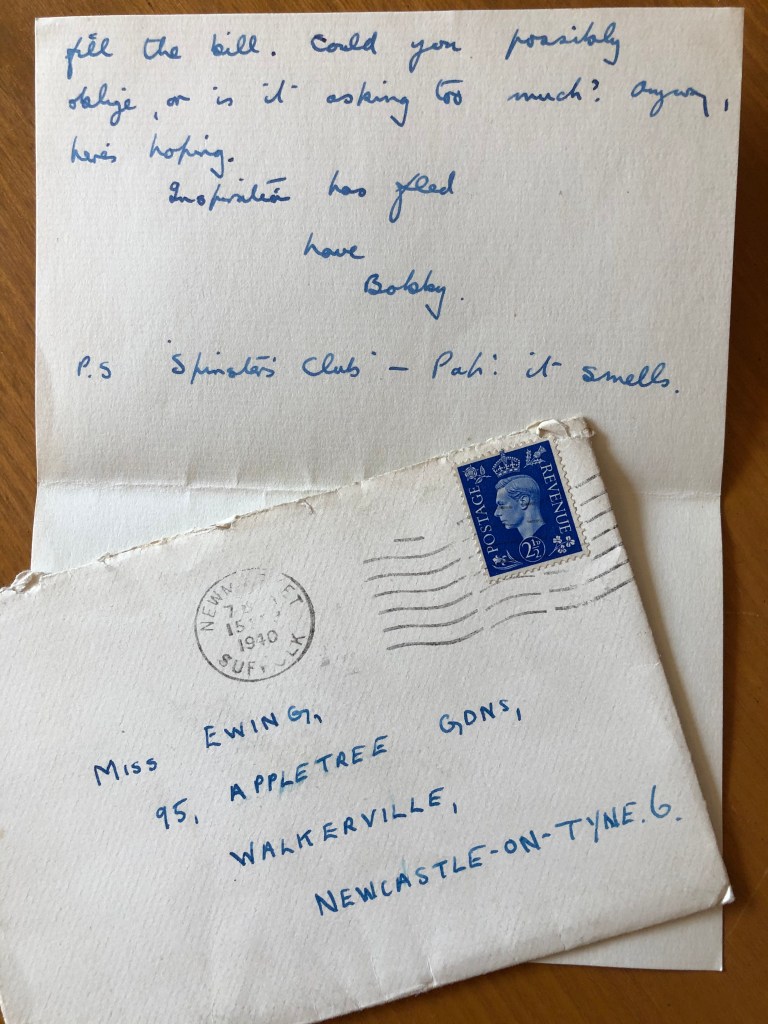
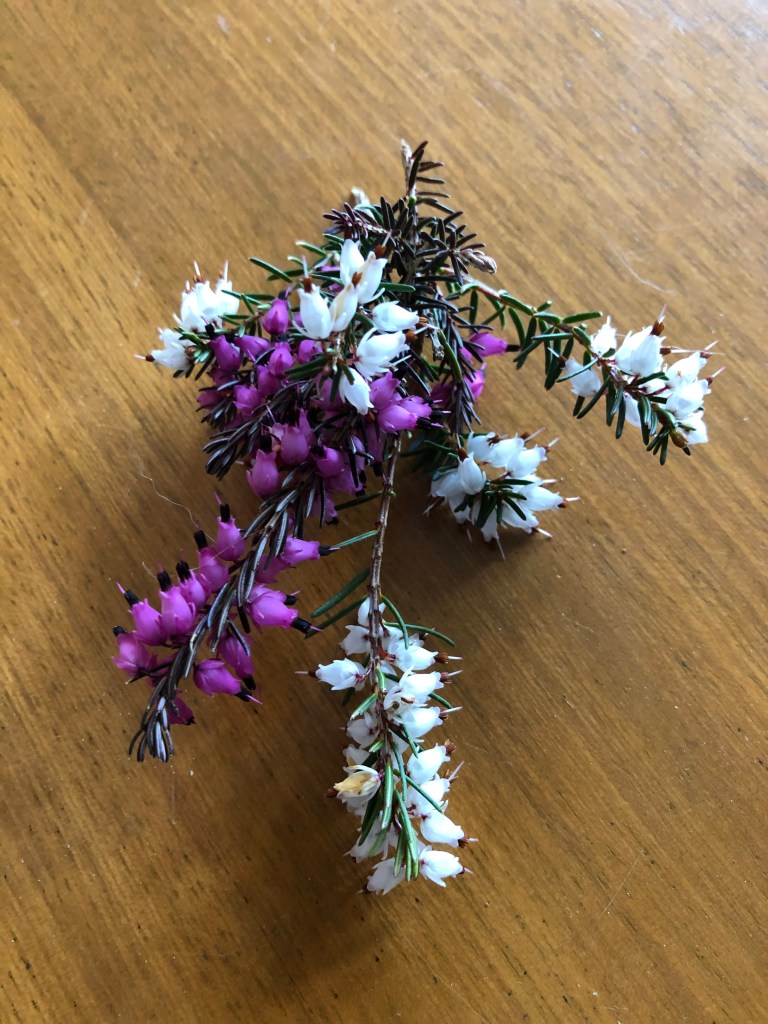
Thanks for the heather. I’ve just put it in a little pocket it my Pay-Book. Our section officer received some by the same post. He showed it to me, and it wasn’t heather. He seemed rather annoyed when I produced mine and compared it with his sickly ‘flora’.
I have a favour to ask of you. I’ve recently grown very sick of the galaxy of female photographs adorning the walls of our sleeping quarters. I would like to be able to look at the above display with enjoyment, not nausea. I think one of your photographs would fill the bill. Could you possibly oblige, or is it asking too much? Anyway, here’s hoping.
Doctor Ewing had retired before the war, but as Bobby’s last letter indicated, he’d heard that “Rolling Stone Ewing alias ‘Gordon the Con-man’ is setting out once more for distant lands.”
Cynthia’s father had joined the war effort as a doctor in the merchant navy, and obviously that meant travelling. None of Cyn’s friends liked her father- Dottie assured me he bullied her- so perhaps her war work was easier when he was at sea. Her mother Carol had to keep the house going- queue for rations, cook for her daughter, who had to commute to her teaching job under difficult circumstances after Newcastle experienced a bombing attack at night.
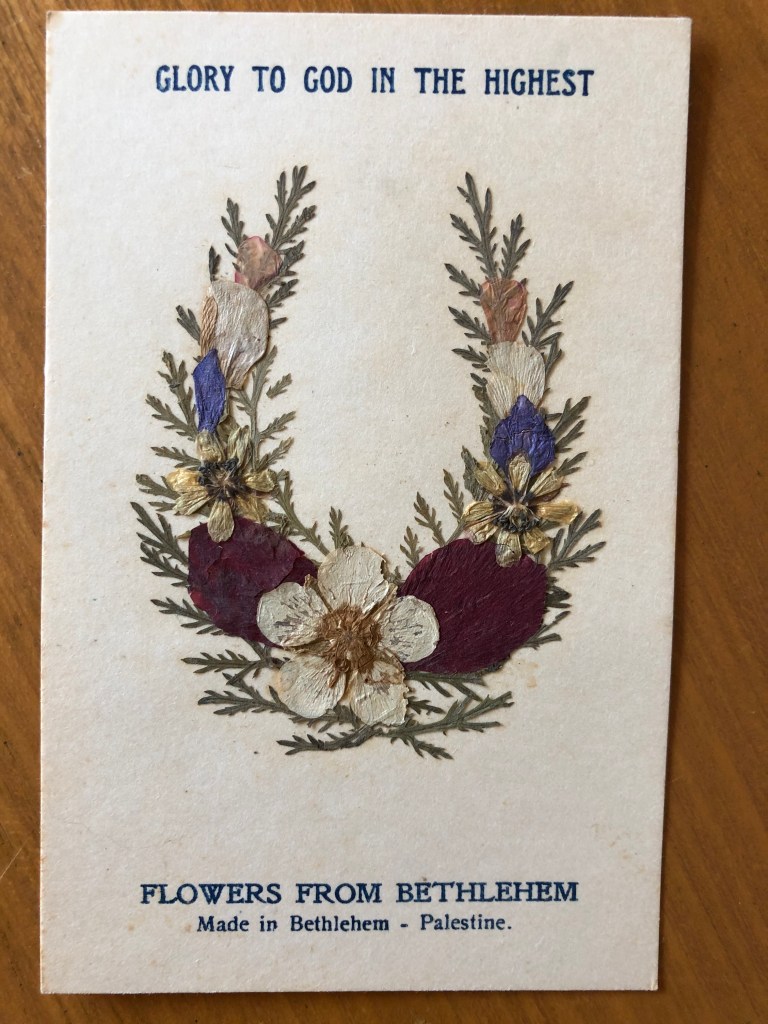
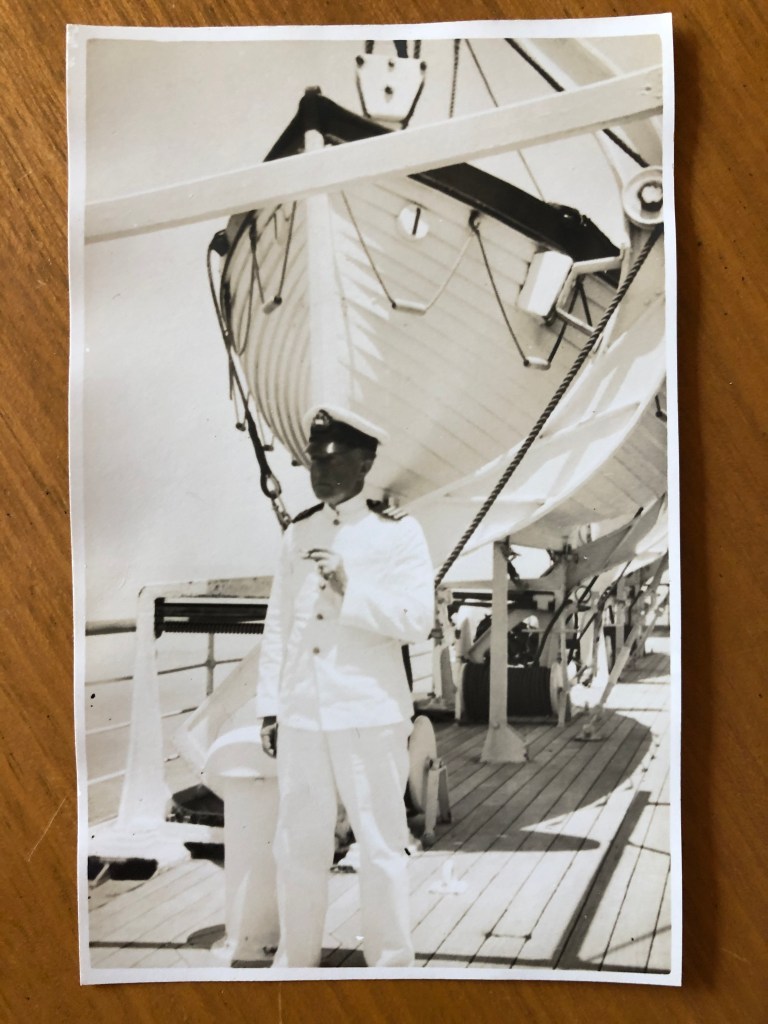
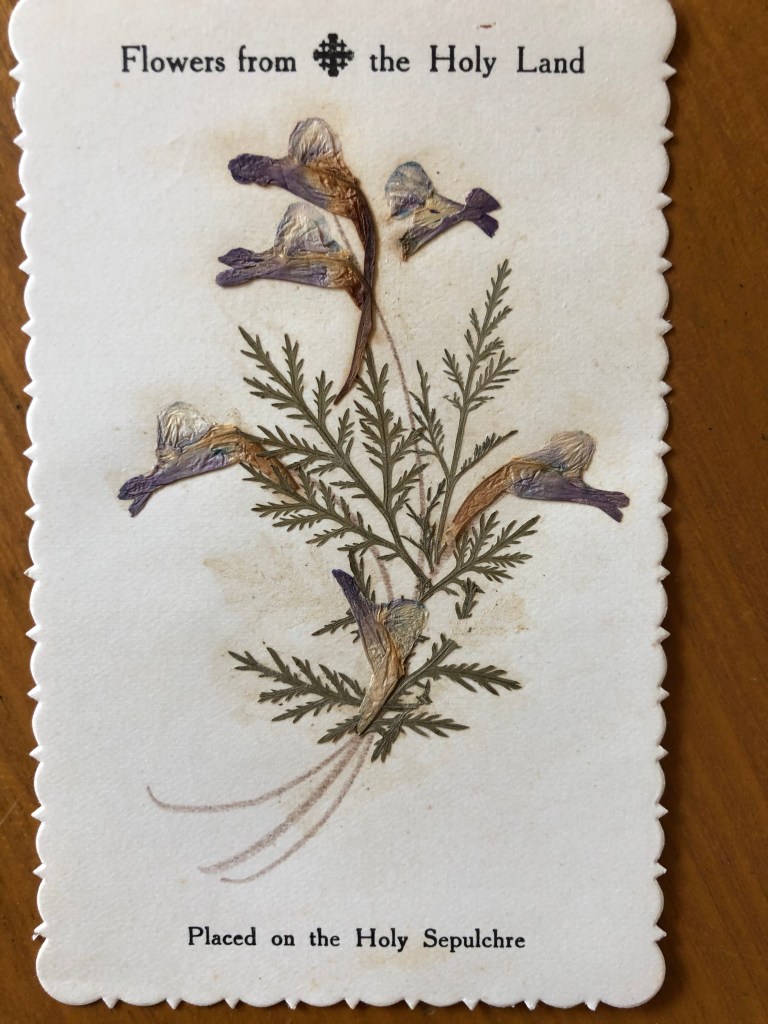
Cynthia saved souvenirs sent to her from the Holy Land, I assume by her father.
The previous letter that Bobby Sheedy wrote to Cynthia, his childhood friend and neighbour, came from the Plymouth area in the summer of 1939 where he was in training for the war which was declared in September. The British Expeditionary Force (B.E.F.) was sent to France, but nothing much happened during the Phoney War period. (A certain tone of frustration can be heard in Bobby’s letter, writing being very difficult when censorship forbade so many ordinary topics.) In May 1940, however, the attack they had prepared for came, France fell, and the B.E.F. retreated to Dunkirk. The story of the evacuation is well known, more than 80% of the B.E.F. was rescued.
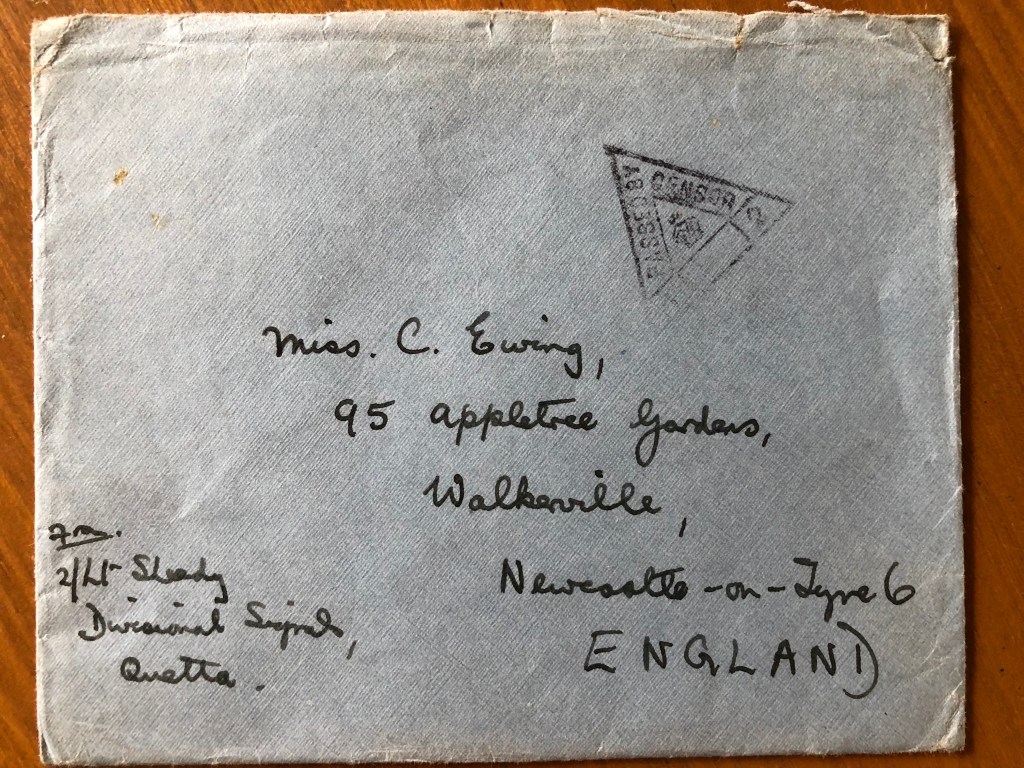
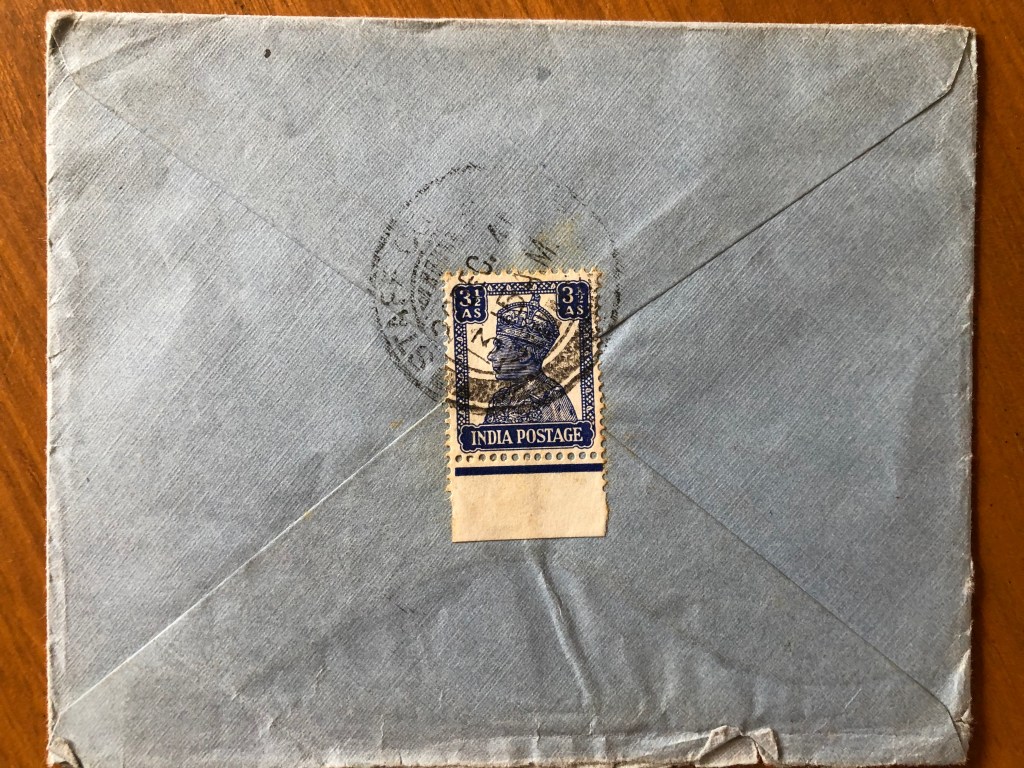
Note the stamp, Passed by the Censor he was so rude about!
No 2363483. Sigmn J. R. Sheedy 4UA.A. Brig HQ Sigs, B.E.F.
18-4-40
Dear Cynthia,
Forgive the foul scrawl in pencil, but the ink or l’encre has given out, and Woolworth’s have not as yet opened a branch in this god-forsaken joint.
What I can tell you Lord only knows as the bloody- ‘tut tut’ blue pencil, please!- censorship allows nothing to pass. Even small talk about the weather is forbidden in case the Germans read between the lines.
I imagine the censor as a small, weedy, Old Bill moustached gent with a low mind. A sort of frock-coated Mrs Grundy if you see what I mean.
I can understand certain aspects of this blue-pencil business, but some of the forbidden information is just bureaucratic. One must not describe one’s billets (personally I haven’t sufficient imagination), also conversation about food is taboo (ditto-ditto). This cannot serve any useful purpose as men on leave give adequate information about both the above.
Change of Subject
I’m glad you missed our pleasant society at Warkworth, but maybe the R.A.F. came up to scratch, or did they?
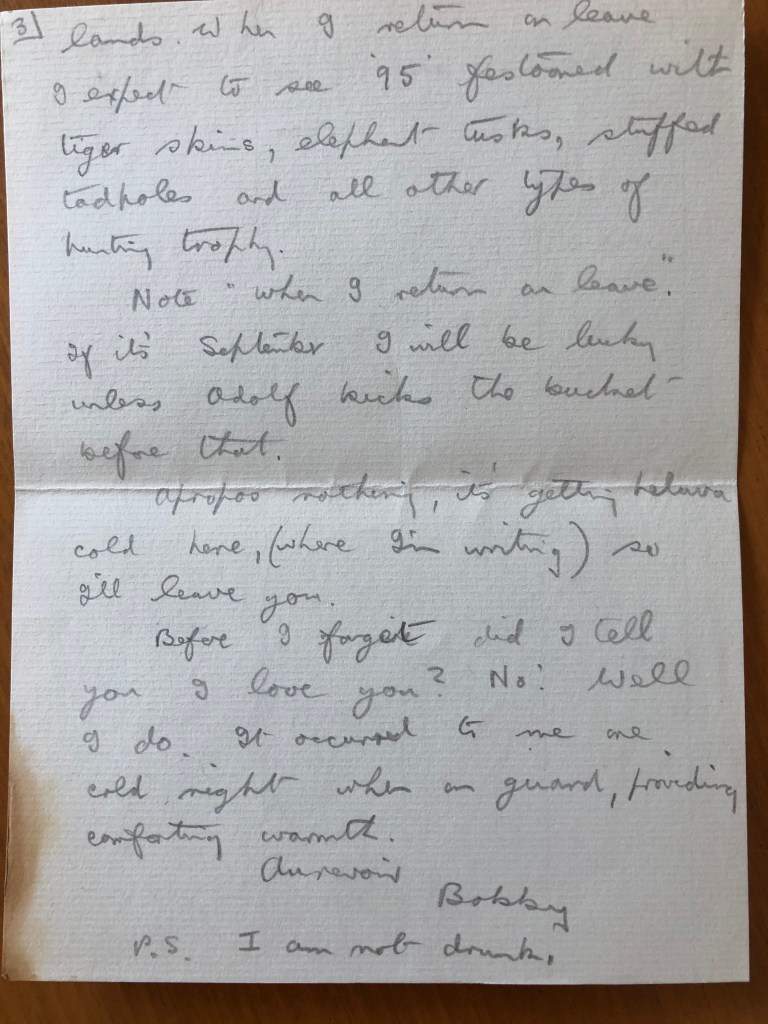
From reports from my local correspondent, I gather that “Rolling Stone Ewing alias ‘Gordon the Con-man’ is setting out once more for distant lands. When I return on leave I expect to see ’95’ festooned with tiger skins, elephant tusks, stuffed tadpoles and all other types of hunting trophy.
Note “when I return on leave”. If it’s September I will be lucky unless Adolf kicks the bucket before that.
Apropos of nothing, it’s getting helluva cold here, (where I’m writing) so I’ll leave you.
Before I forget did I tell you I love you? No! Well I do. It occurred to me one cold night when on guard, providing comforting warmth.
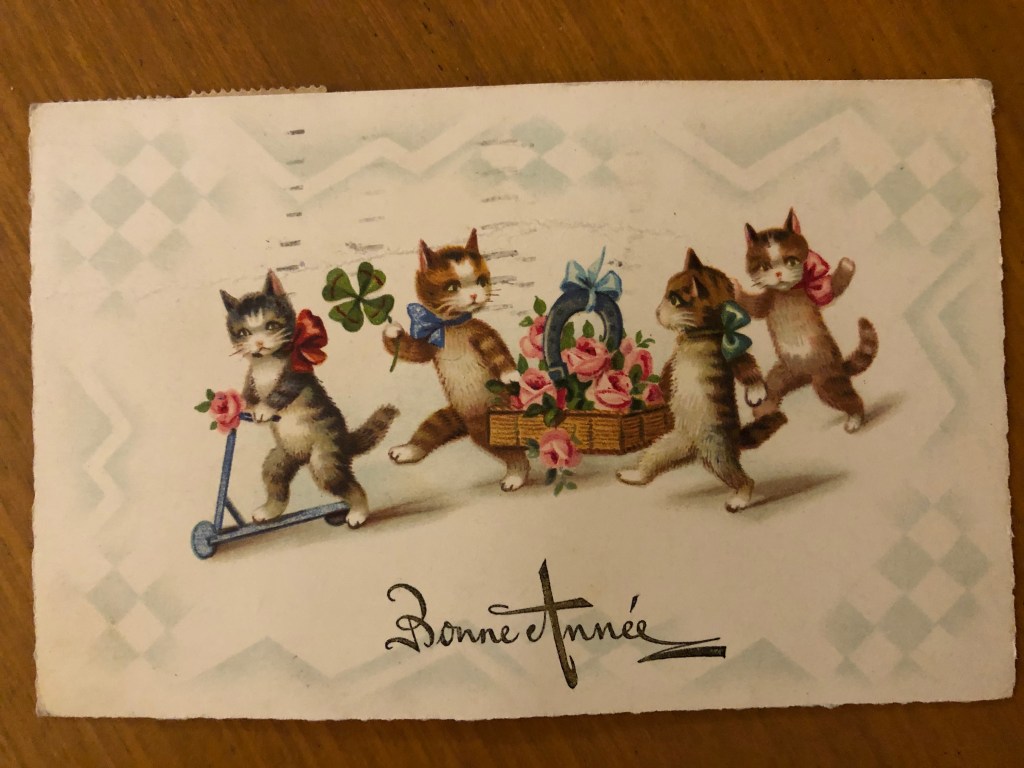
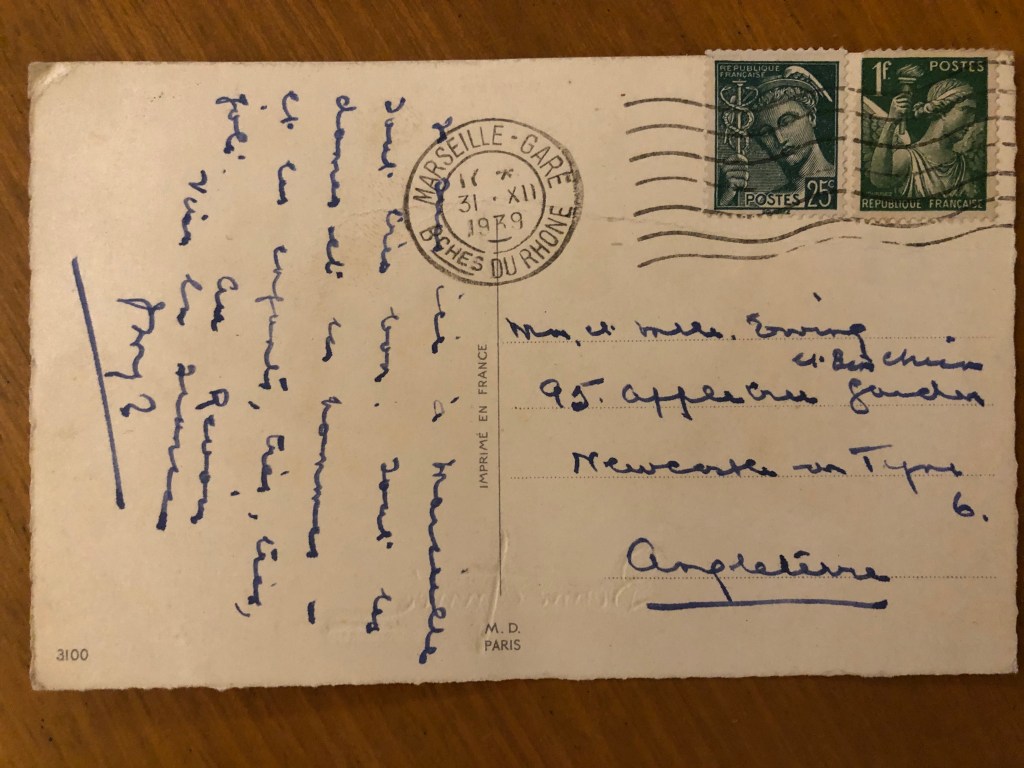
This Mystery Postcard, written in bastardized French and addressed to
Mme, et Mlle. Ewing et Ben chien
(the Ewing dog was called Benny) in Angleterre, sends New Year’s good luck wishes via four kittens and can only have come from Bobby Sheedy. It is postmarked Marseille-Gare on the last day of 1939.
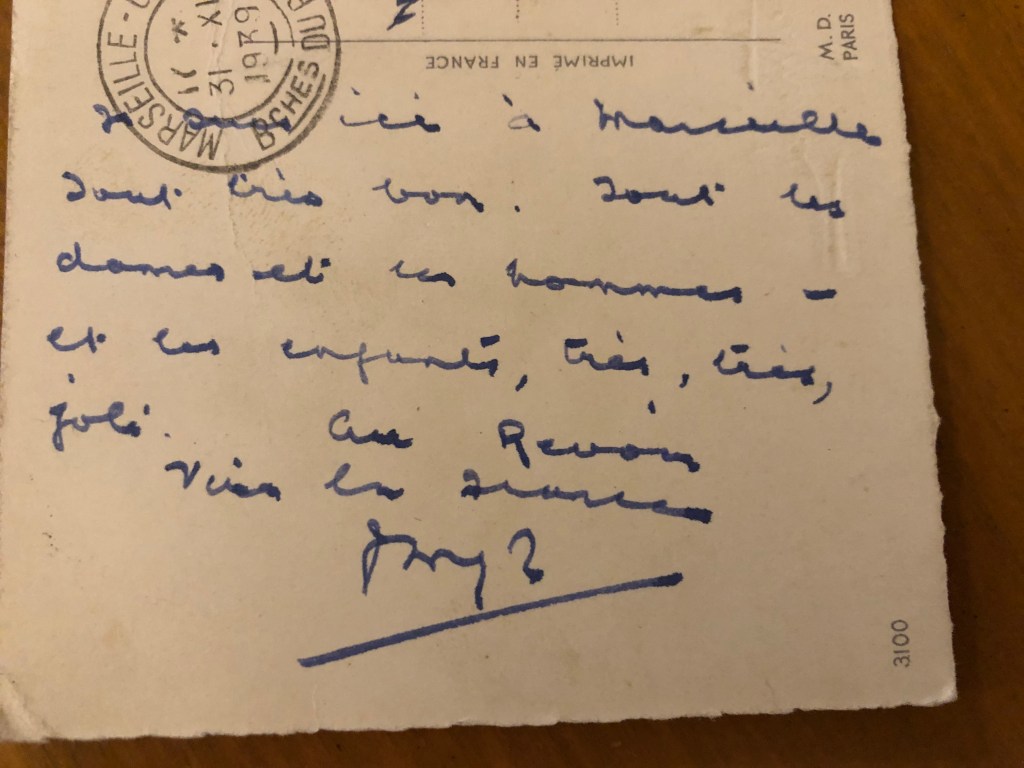
The message reads (I think):
Je suis ici a Marseille. Tout très bon. Tout les dames et les hommes- et les enfants, très, très, joli. Au Revoir. Vive la France. [Indecipherable signature with a question mark.]










 A Family History in Letters