

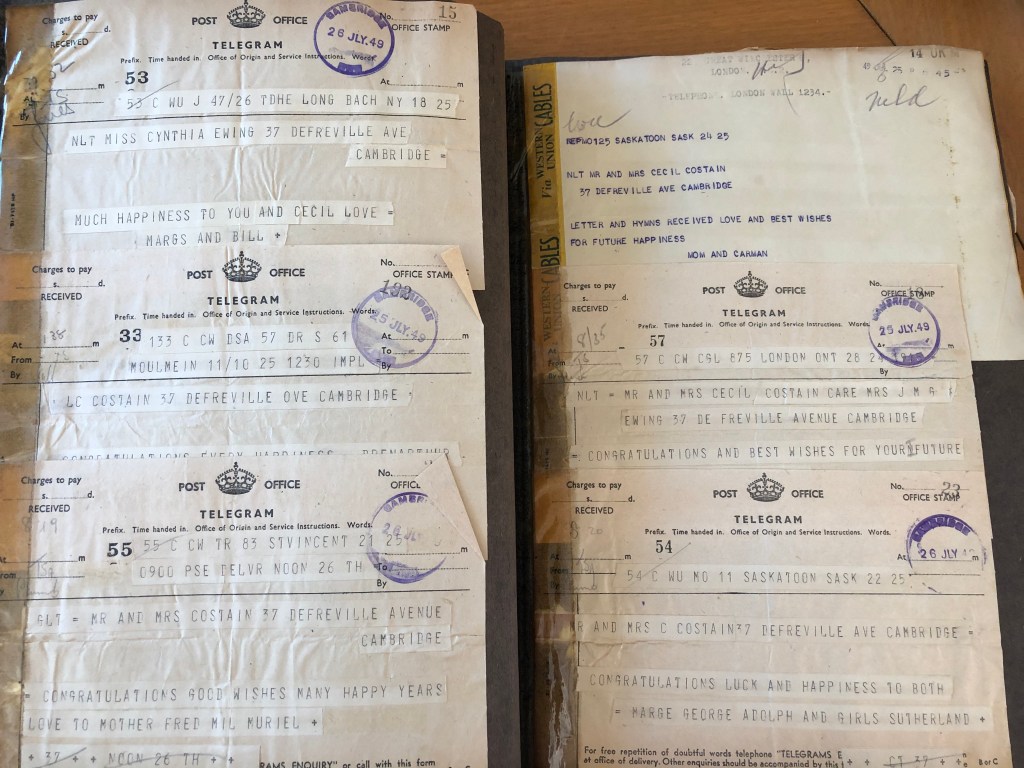
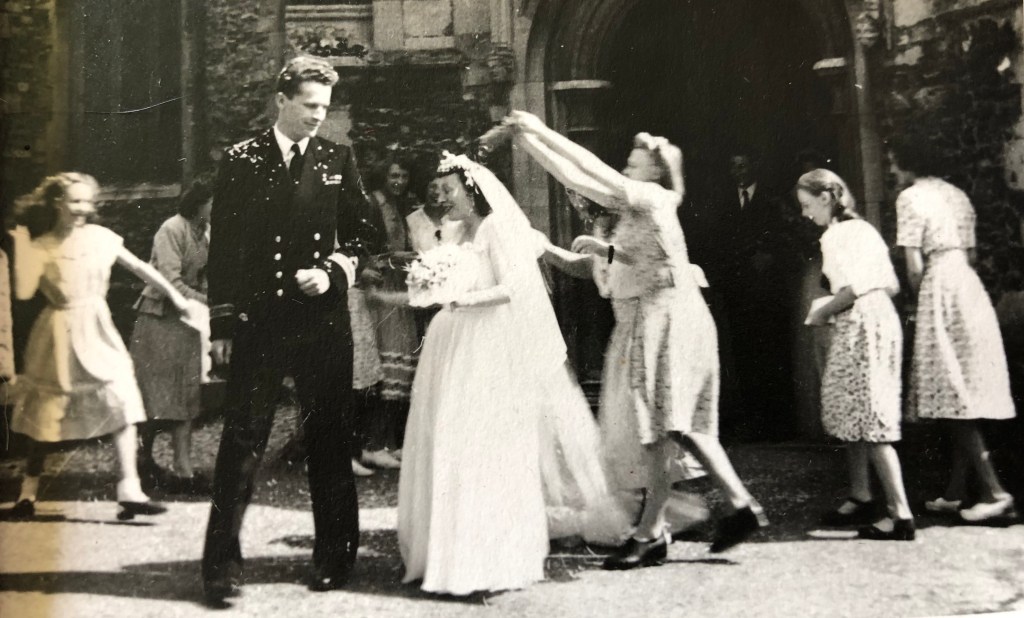

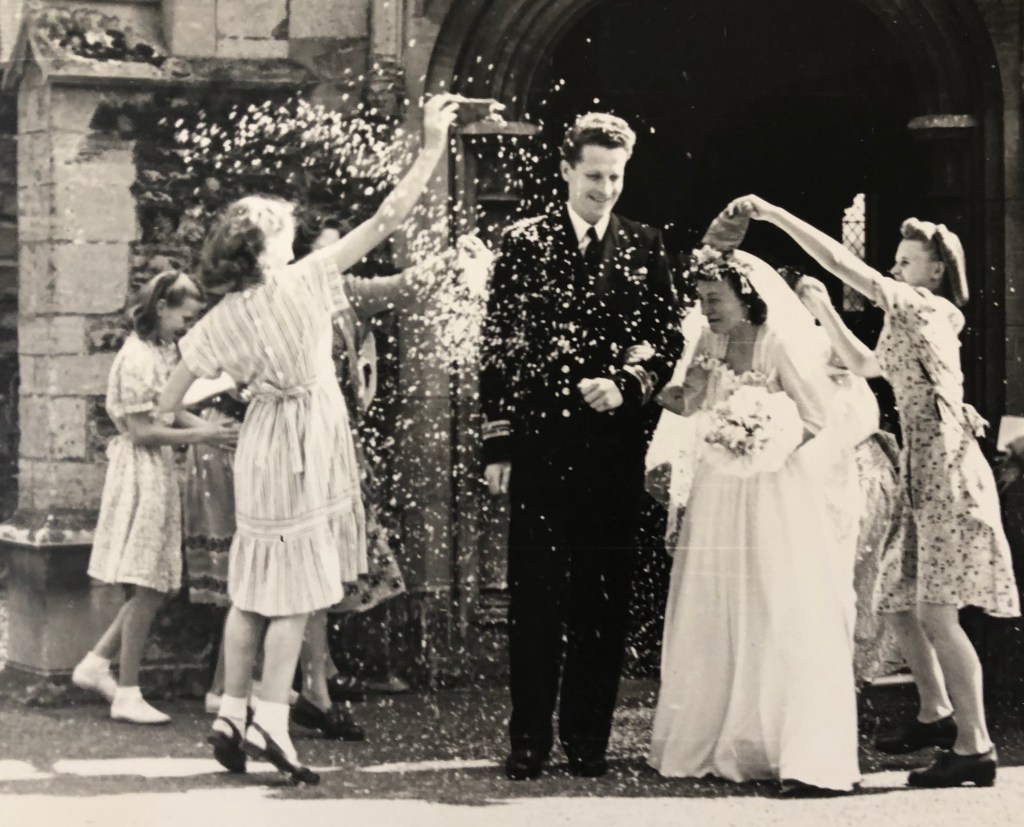
When I began this blog posting the letters of a daughter to a mother, I suggested that nothing very harrowing or emotional would be revealed in them, because no daughter wants to upset her mother living far away in time and distance, unable to console, comfort or rejoice in the moment. An event may be described, it is certainly personal, but it is in the past, and has been survived, and the telling of it is reassuring in to both writer and reader. When I got t0 Cec’s war letters home, I realized this was true of sons as well, especially of events the Admiralty frowned upon sharing. I discovered, however, that other letters crept in, and occasionally were of the moment and emotional. Carol’s letter to her husband as she was on the point of leaving him, was harrowing. And love letters are intensely personal and emotional. They are intended to be read by only one person and I feel a little guilty about sharing them with the world, but they are part of the story. These two notes, treasured by her, were found in one of the slots of Cyn’s writing case.
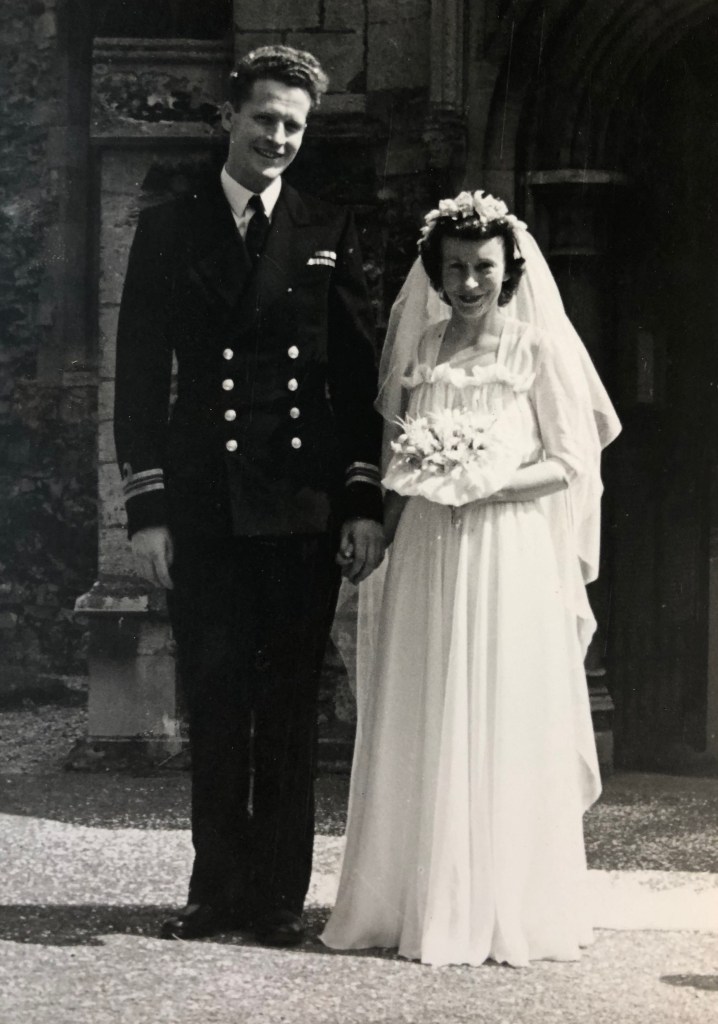
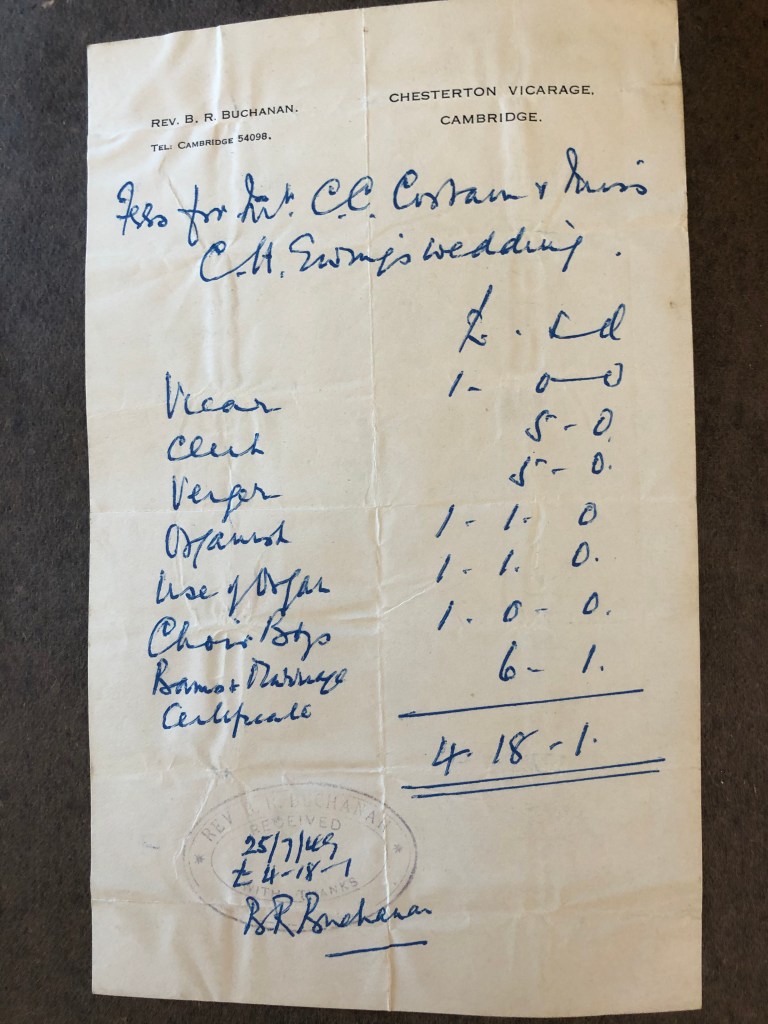
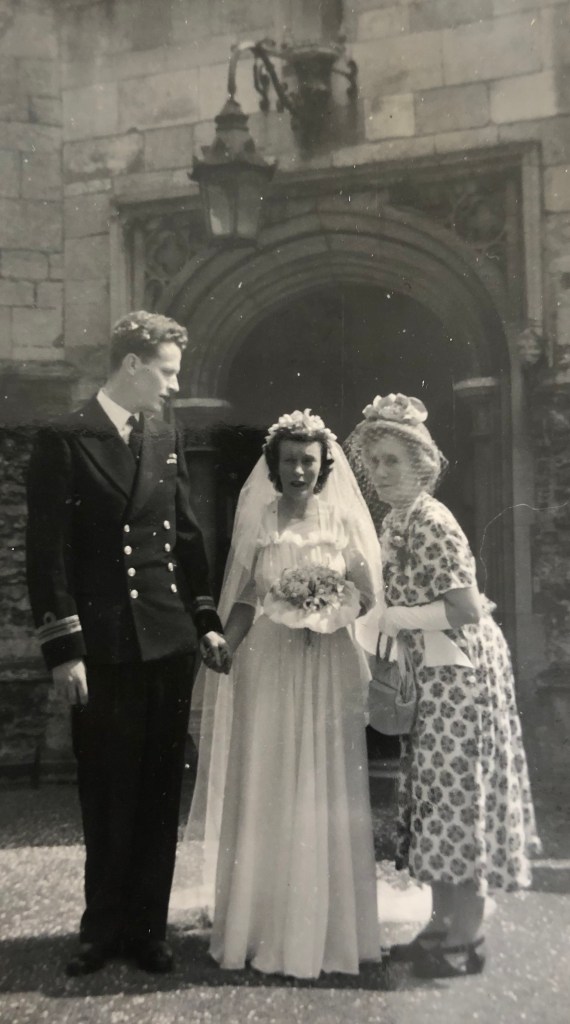
Cyn and Cec got engaged at the beginning of March 1949, and planned and booked their wedding for July 26th, 1949, at 2:30. The March letter suggests the wedding invitations had already been sent out, and Cec’s friends in England were responding to them.
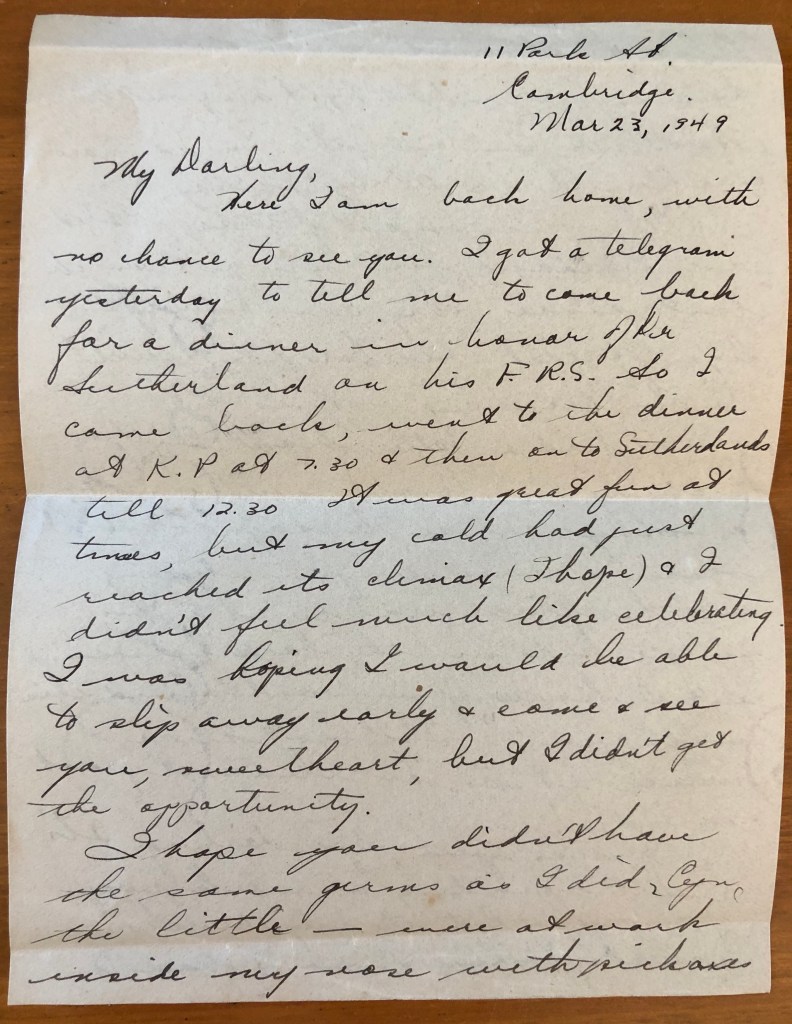

11 Park St.
Cambridge.
March 23, 1949
My Darling,
Here I am back home, with no chance to see you. I got a telegram yesterday to tell me to come back for a dinner in honour of Dr. Sutherland on his F.R.S. So I came back, went to the dinner at K.P at 7:30 & then onto Sutherlands till 12:30. It was great fun at times, but my cold had just reached its climax (I hope) & I didn’t feel much like celebrating. I was hoping I would be able to slip away early & come & see you, sweetheart, but I didn’t get the opportunity.
I hope you didn’t have the same germs as I did, Cyn, the little —— were at work inside my nose with pickaxes. Also, I missed the licensing hours & couldn’t get any medicine. However, I am on the mend now & should be OK by Friday.
I’ll miss most of today – Wed. in Baldock, but it’s not much loss since they are having a big official “visitors day” & will be overrun by boffins.
I had a letter from Cliff asking us to stay with them for a day or so. He says “It will mean of course, your sleeping on the floor (unless it is two single beds in the back bedroom!) but I know you won’t mind this, will you?” I’m not sure which it is he thinks I won’t mind!!
I miss you, Cyn darling. It’s awful spending a week away from you. But it’s only 17 weeks yesterday! Then I won’t have to leave you again.
I also heard from Al Bryce. He said when he saw the writing on the envelope he said to himself “There goes Cec!”. He said I seemed to have that “subdued self satisfied look” about me a couple of weeks ago. I didn’t think my self-satisfied look was quite so obvious, darling. Al is sailing on July 26, darling mine, so I think it would be nice for us to get over for a visit at Easter.
Must catch my train to Baldock, lover, so I’ll say goodbye till Friday.
I love you,
Cec.

My Darling,
I’m not allowed to see you until 2:30 today, but I don’t think there is any custom which stops me from writing you a letter to tell you how much I love you.
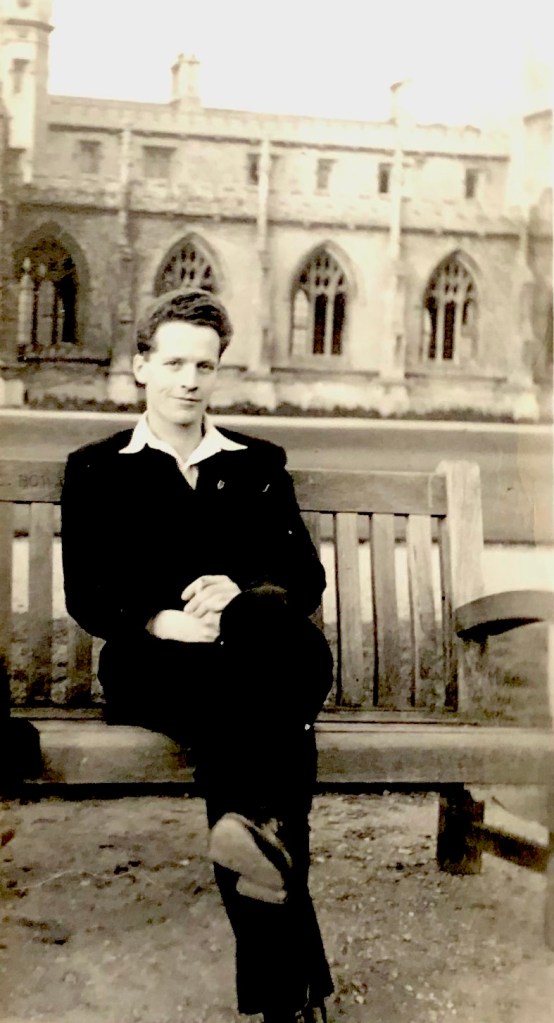
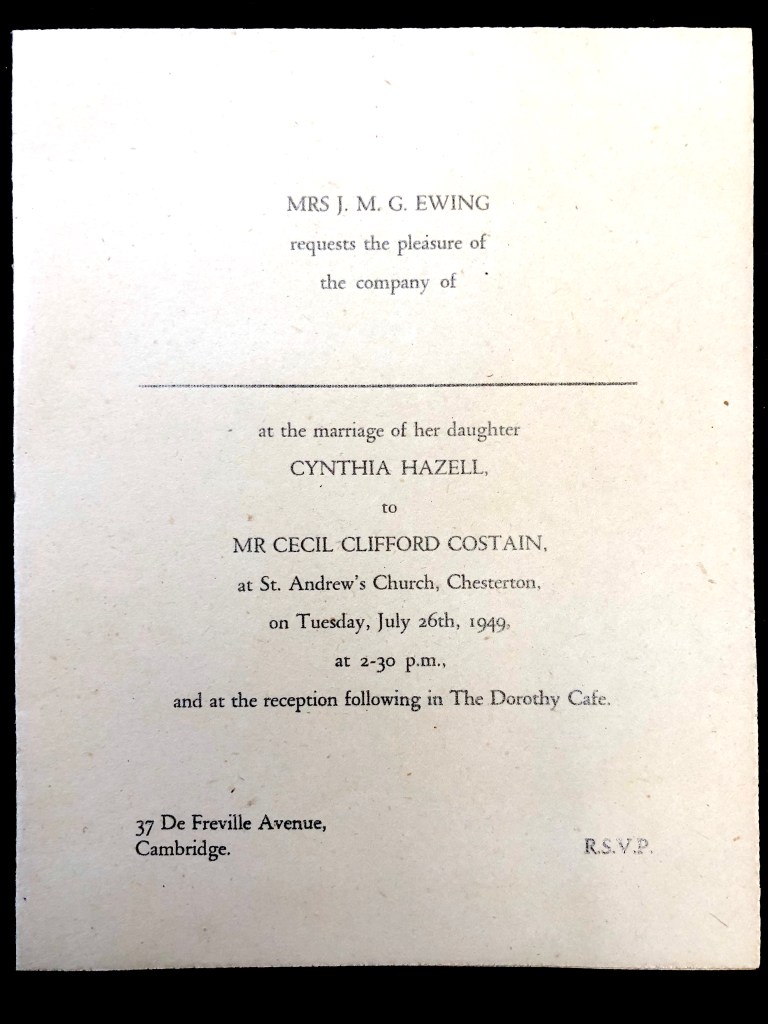
The months and weeks before a wedding are filled with preparations. Cyn, Cec, and Carol sent invitations to friends and family in England, Canada, the States, and the West Indies, knowing that only local friends and family would be able to come.

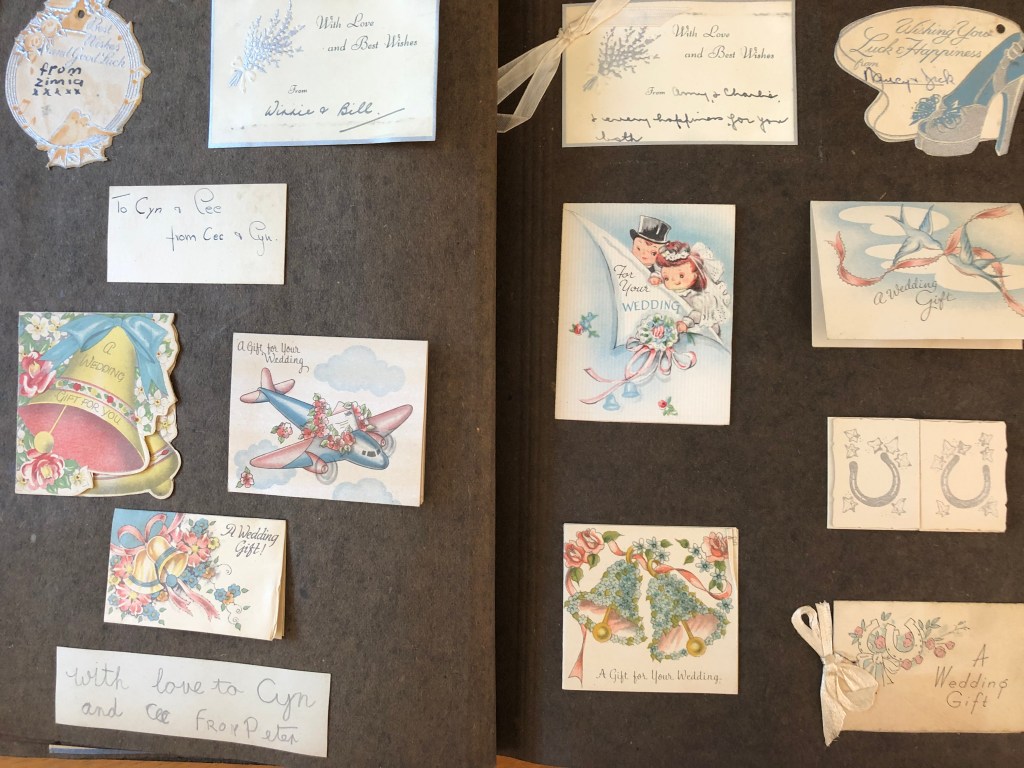
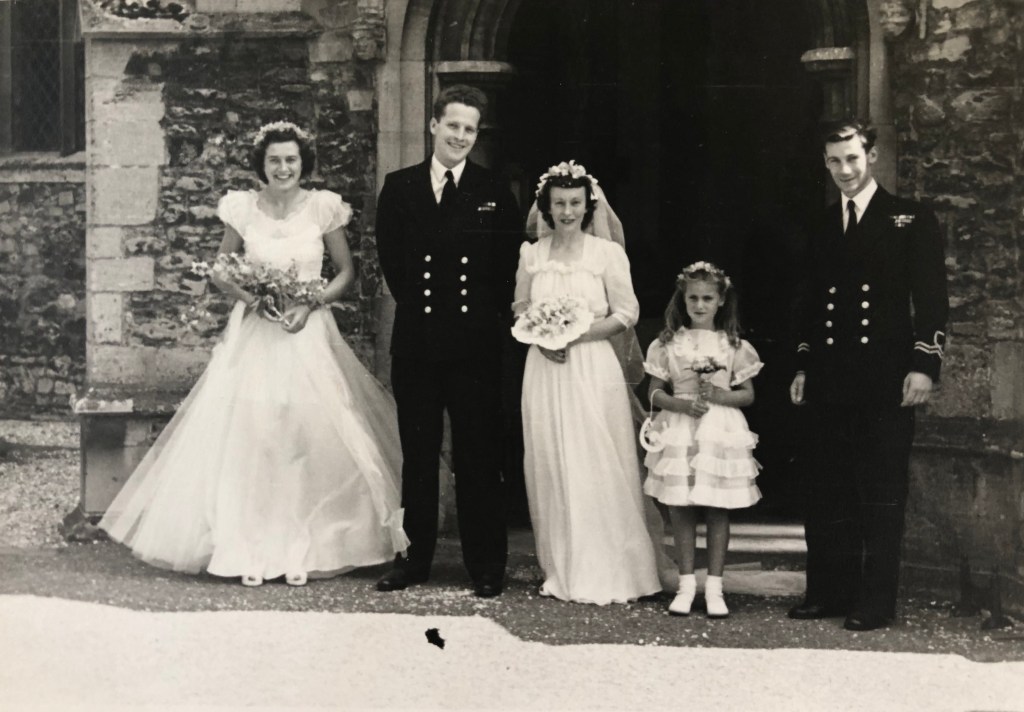
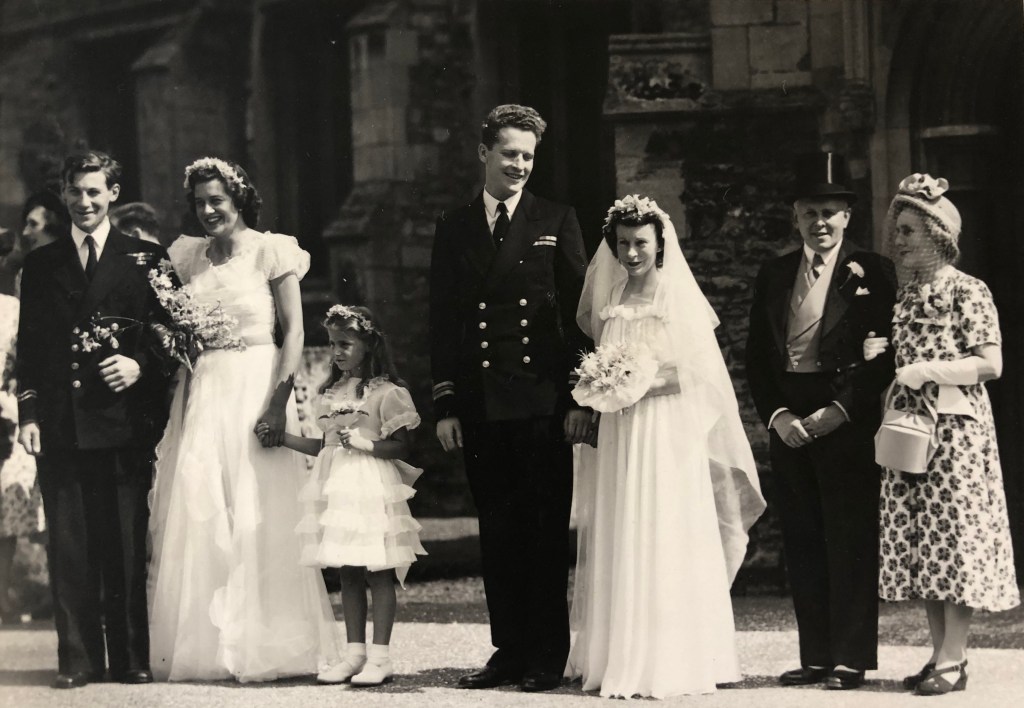
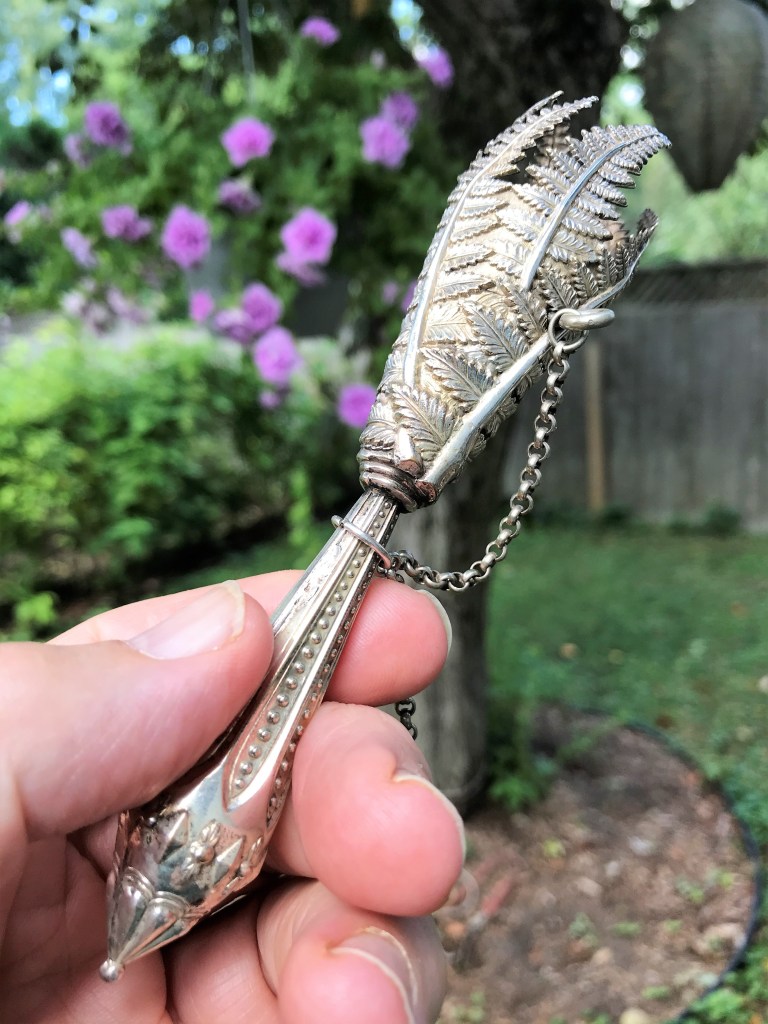
As responses came in, Cyn kept organized lists of the wedding presents that accompanied them and Cec booked travel tickets and hotels for an August honeymoon in France. Outfits were planned: the groom and best man would wear their naval uniform; the bride, bridesmaid, and flower girl would wear white. Auntie Moo had sent the silver Hazell bouquet holder that other family brides had used, and the florist was entrusted with it.

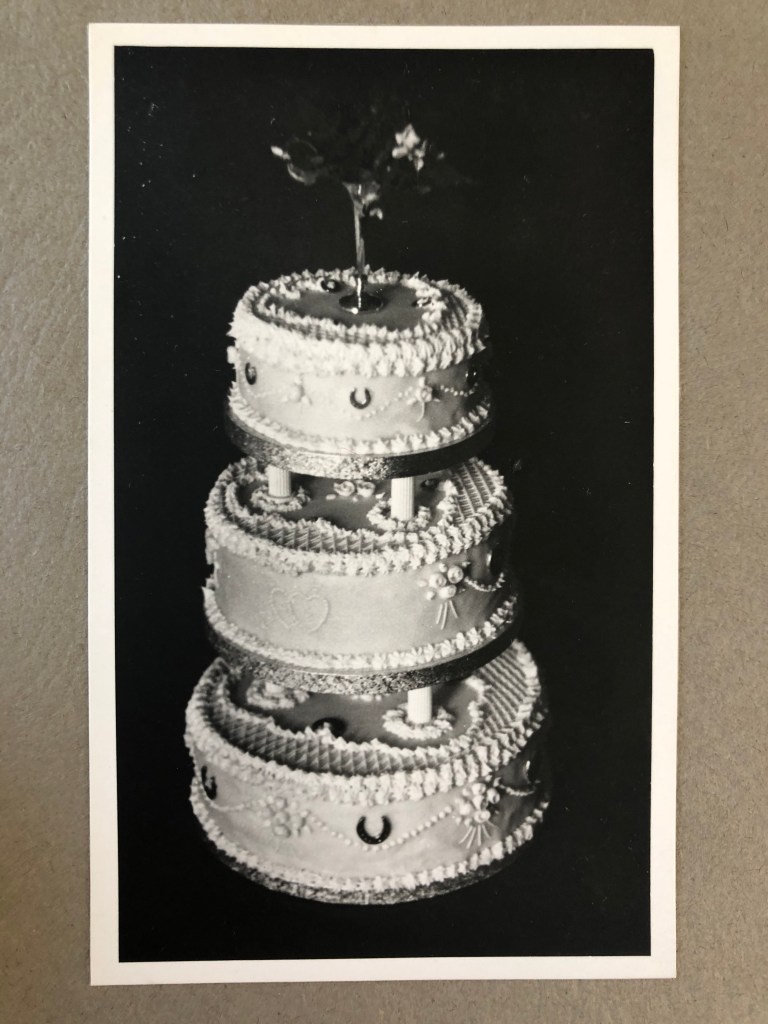
The week before a wedding is filled with crises! Ours involved a frantic outfitting of my three small future stepsons with navy blazers and grey trousers on Boxing Day, the day before the ceremony. Cynthia’s involved The Wedding Cake. After years of organizing Christmas cakes in her Cookery classes, supervising the making and decorating of ‘hundreds’ of them, Cyn wanted to decorate her own wedding cake.
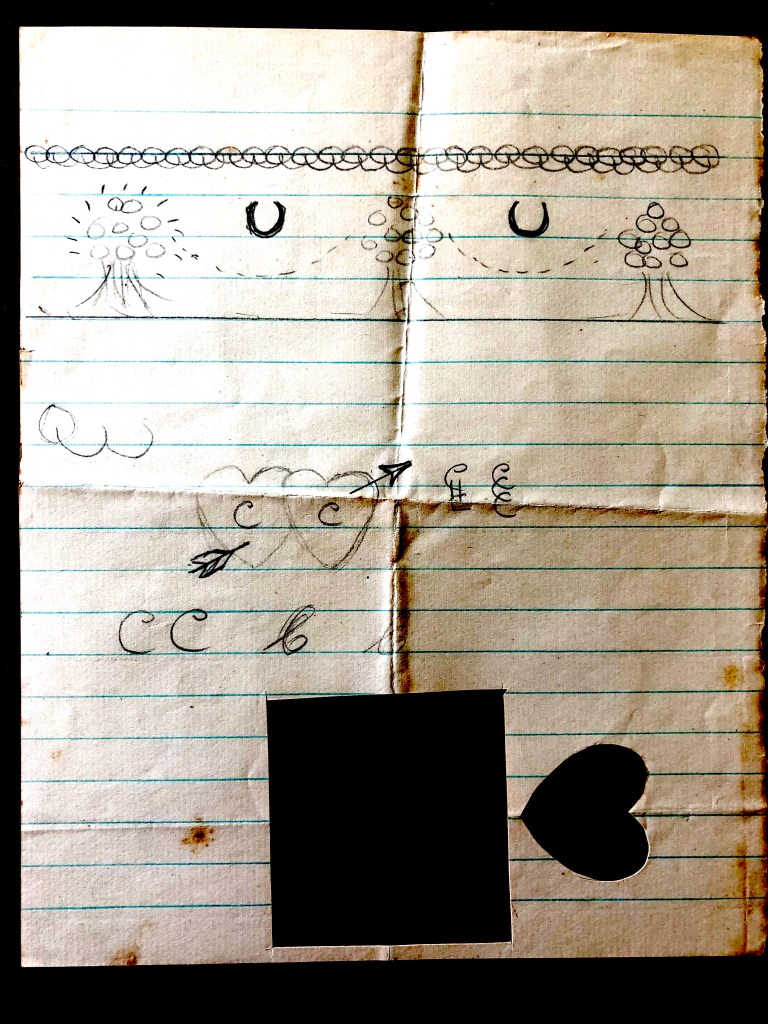
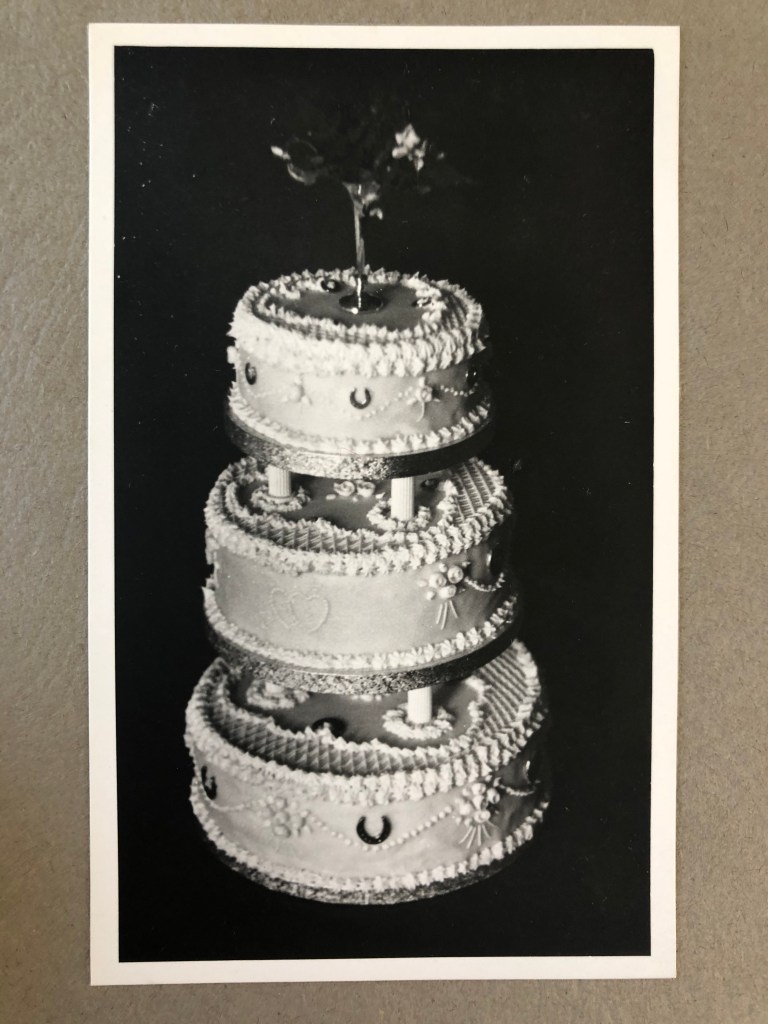
With rationing still in existence in England, the difficulty of obtaining suitable ingredients for the traditional fruit cake was overcome by asking her Auntie Muriel in St Vincent, who had sent them a Christmas cake in December, to send the cake made already, for her to decorate. It arrived from St Vincent, soldered into tin containers, and Cec was called upon to open the tins. The three tiers emerged, solid with fruit and preserved with lots of good West Indian rum! A fruit cake is traditionally topped with a layer of marzipan paste and then iced with white royal icing that hardens, then is decorated. Cyn covered the three tiers with the marzipan and smooth icing and allowed it to harden overnight before starting on the decorations. But in the morning she discovered that the rum-soaked cake was bleeding through and discolouring the white surface. A thicker layer, preferably done at the last minute, was required. This worked, and the intricate lattice work, flowers, and appliqués of lucky silver horseshoes was completed. Assembly had to follow, before the final piping of rosettes around the pillars for a finished look. But when the pillars were set upon the cake, and the heavy next layer balanced on them, they began to sink! Cyn and Cec hastened to disassemble before irreparable damage was done, and Cec was forced to sacrifice candles the size of the pillars, carefully core out the cake, and insert the candles as firm supports for each of the upper tiers. Then Cyn could finish her piping and on the morning of the wedding day, add the silver vase on the top, filled with fresh flowers. Cec, who had sampled the cores he’d removed from the cake, suggested the guests would get tiddily from merely consuming a slice…
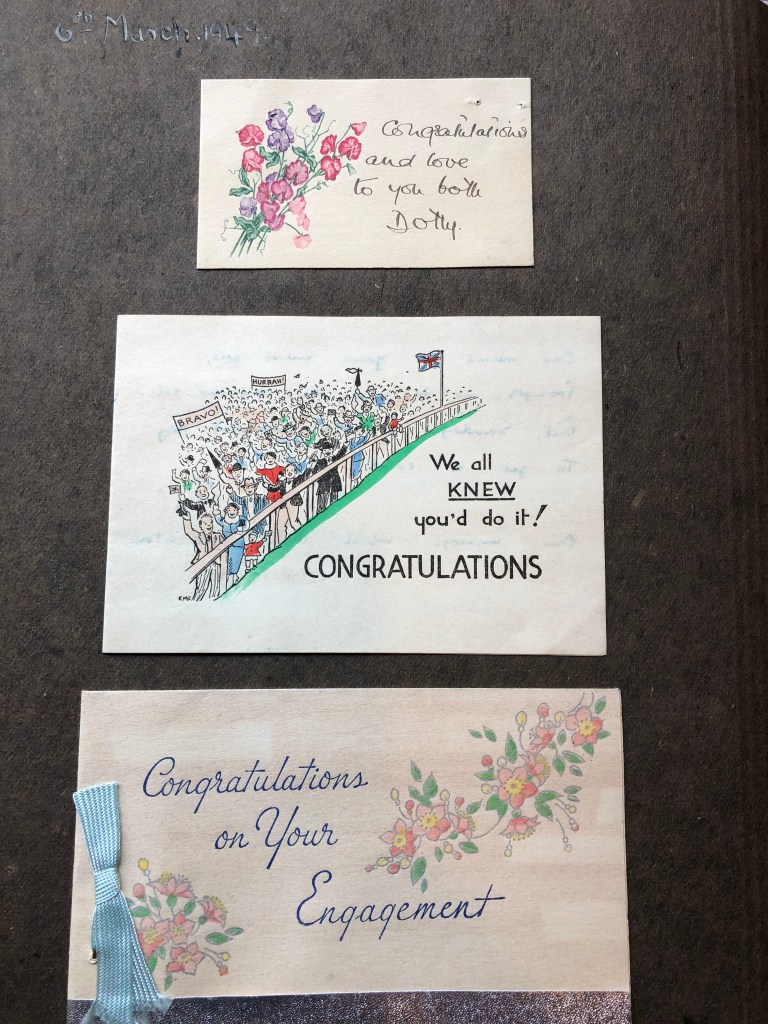
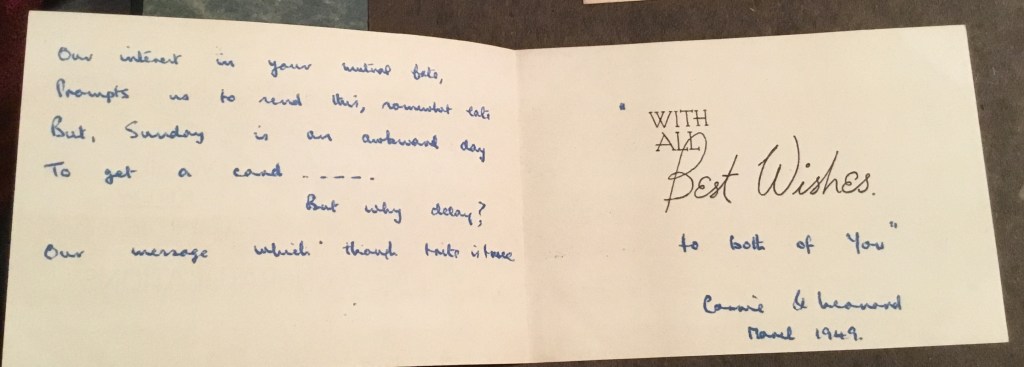
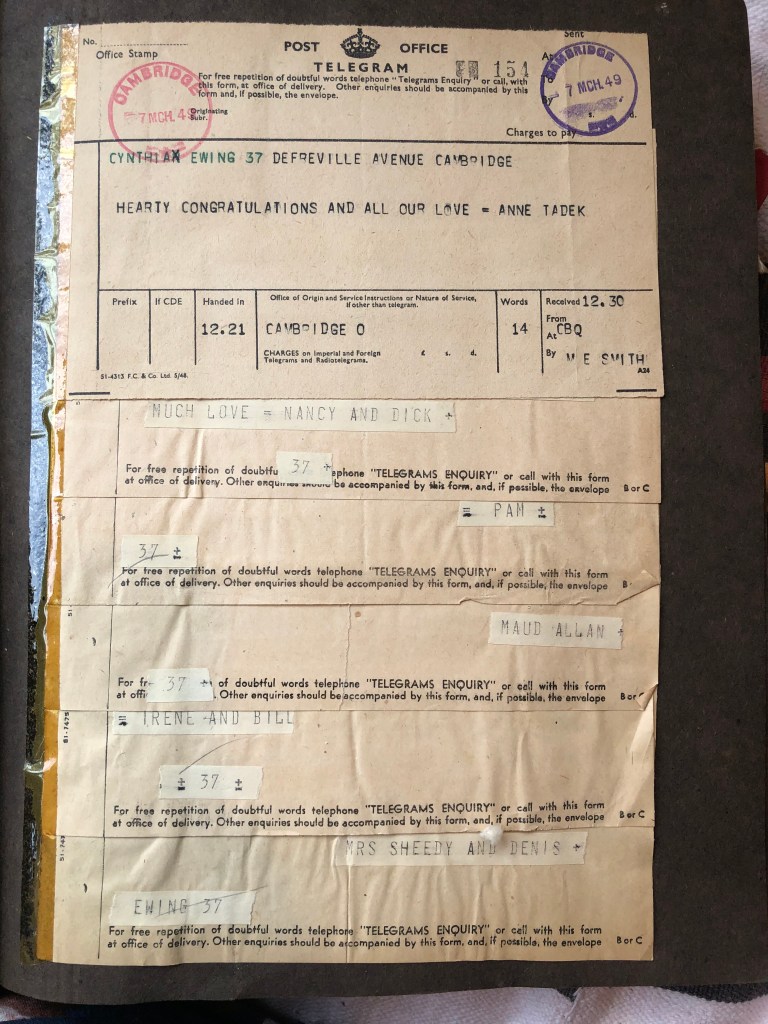
Cyn and Cec announced their engagement on March 6th, as recorded in their first scrapbook. There are cards of congratulations from their friends, including an original poem, and telegrams from Cyn and Carol’s friends further away in England: Anne and Tadek, Nancy and Dick, Pam, Maud Allan, Irene and Bill, and Mrs Sheedy and Denis.
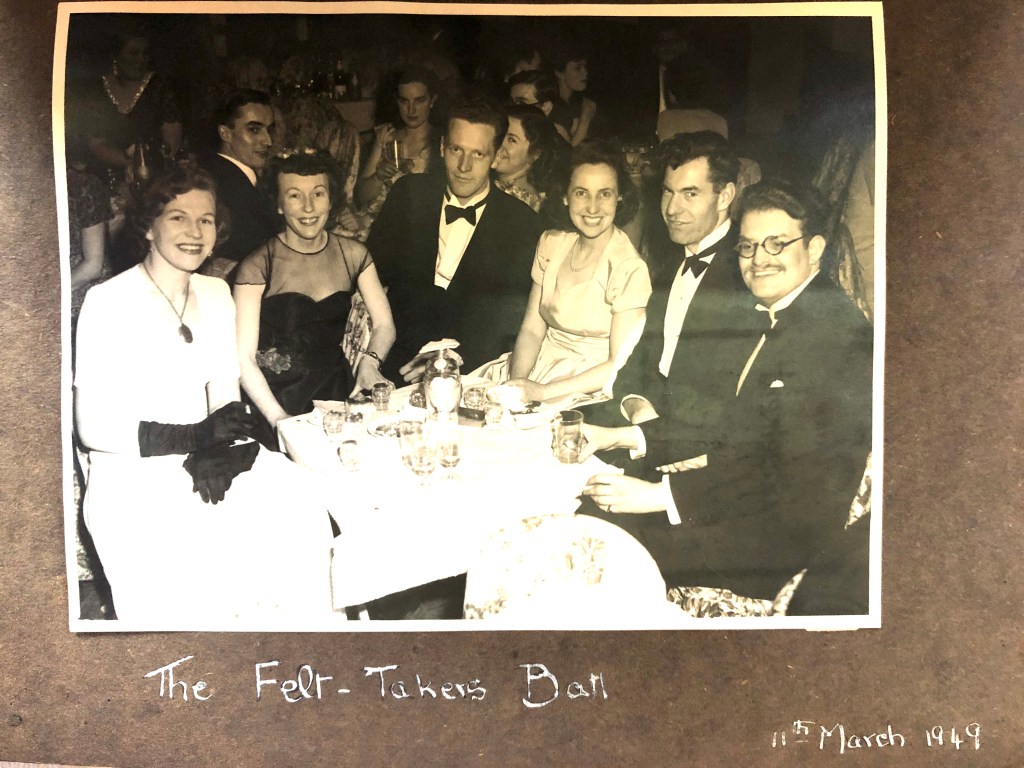
The following Friday, they celebrated their engagement with friends at the Felt-Turner’s Ball. The couple sitting beside Cec are Canadian, Lee and Jim Gander, and would be close friends in Ottawa in the future.
Word from Canada was slower, and I assume Cec didn’t keep his family’s congratulations for posterity in the scrapbook, but they began planning a wedding in July. And since Easter was late that year, they also planned fun for Cyn’s holiday break!
Carol stood at the ship’s rail peering into the dimness of early dawn. The Captain had told her that they would be arriving in St. Vincent in the morning and she wanted to be ready for the first sight of the island. All the goodbyes were behind her; Miss Lefroy and the other teachers back in England were already fading into the memory of another life. Before her was the homecoming she had looked forward to for nearly three years.
“Well, Miss Carol, you are up early,” said the First Officer’s hearty voice. “You’re going to have to wait another hour or so to see that island of yours. We’ll not be arriving until about ten o’clock.”
“I’m longing to see it,” said Carol.
“Well, you still have time to go down and have some breakfast. I’ll call you when the sun comes up and you can watch for the volcano on the horizon.”
Carol felt that she couldn’t eat a bite, but as she sipped her tea and found hot toast and a boiled egg very acceptable she thought how nice it was to be treated as a grown-up.
She had thoroughly enjoyed the ocean voyage with a friendly group of passengers and ship’s officers, and found herself involved in musical evenings and small impromptu dances. She was no more the shy little schoolgirl, but a young lady holding her own in society.
The sky brightened and Carol watched faint outline of the island appear on the horizon, then grow more distinct until suddenly it was daylight and in no time the ship was sailing into the sunlit arms of Kingstown harbour. There was the familiar little town (was it smaller than she remembered?) and the green surrounding mountains, and yes, she could see the red roofs of Windsor halfway up the hillside. She was excited and scared and happy all at once and afterwards could never remember the morning clearly. Dad and Willie and Fred on the jetty; the carriage waiting to drive her home with old Leo grinning as he helped her in with her smaller bags. People in the crowd calling out, “Hello, here you are home again!” and “Nice to see you back, Carol” “Welcome home!” until at last they were up the steep hill, into the driveway, with Mother and the girls waiting on the verandah.
All that first day was laughing, crying confusion. Everyone remarking on how much she had grown, how they liked her dress and her hairstyle; Willie teasing her that she was even pretty now; and the servants giggling at her English accent. She was hugging brothers and sisters: some who had grown older, some who had grown fatter, others who were handsome, and some who looked thin and tired, but Mother was just the same. Later came the married sisters with their families. First was Georgina with the girls growing up and even Basil, the baby, a sturdy boy firmly held by father Carden who had visited her at school and had so kindly taken her to the theatre. Ethel was there with her three girls, Mona still a baby, and Trixie with her husband John and handsome little Jack, all living nearby and welcoming Carol home. As she lay in bed that night, tired out but too excited to sleep she thought, “They all still call me Monks but I’m no longer the baby, I’m a real person and everyone treats me as if I’m new and interesting!”

It was a happy carefree time. After all her trunks were unpacked and her new clothes admired by her sisters, the presents distributed to everyone with squeals of joy from the little nieces and nephews, she soon fell into the easygoing pleasant routine of home, with few duties and plenty of leisure time.
After the structured hours of school the casual social life of the young people delighted Carol. She was a lively good-natured girl with dark hair and big brown eyes and before long she was a popular member of a congenial group of young people with Doris and Fred, as well as other local families. They went riding and visited Willie on the estate where he was manager; took picnics to the beach for bathing; enjoyed sailing parties up Leeward to see the waterfalls at Baleine or to Bequia to spend a weekend with friends. There were small dances at home; or dinners where married sisters enjoyed playing hostess and introducing their young sister just home from England. Visitors from the various ships were entertained and visits from British warships always produced a spate of parties and dances. Some times the officers would give a dance on board ship with fairy lights decorating the rigging and under the huge tropical moon nothing could be more romantic! To one of these Carol wore her most beautiful white satin balldress embroidered with pearl beads, only to find the heat of her partners’ hands melted the beads and quite ruined the dress. It was a big joke in the family that all Carol’s partners stuck to her!
One day at lunch Fred said, “I met the new young doctor today. He’s from England and is working with Dr. Durrant. He’s called Gordon Ewing.”
“What is he like?” asked Blanche.
“Oh, quite a little fellow- not much to look at, but very pleasant. I suggested he might drop in one evening but he said hewould call first.”
Call he did, with the required number of engraved calling cards, and before long he became a much sought after member of the island society. He was charming and polite, very neat and immaculate in dress, with blue eves in a fair-complexioned face. He was older than the young group to which Carol belonged but he enjoyed joining in some of their outings although his work was demanding. Before long it became obvious that he was one of her admirers.
“Do you like him, Monks?” asked Doris one night as they were going to bed.
“Y-e-s,” said Carol. “He’s so different from the men here. He’s been to America and India and all sorts of other countries when he was ship’s doctor on the Cunard and P&O liners and he can talk about so many interesting things.”
“Well of course he’s quite a bit older than you are. Twelve years, isn’t it?”
“Yes, but he doesn’t seem stuffy like some older men. Anyway I like blue eyes,’ Carol giggled, “and his head is such a nice shape!”

Some months later the engagement was announced in the weekly newspaper and before long there was another engagement: Fred had asked a pretty blonde Barbadian, Mildred Ince, to marry him and there was a combined party for both couples. They enjoyed the greater freedom that engagement brought, and in the evening would stroll out into the garden and sing the songs Carol had brought home with her. Mother and Dad were not too happy- Dad felt that though Gordon had a good profession and could certainly support a wife, he seemed to move from one job to another and might not stay long in St. Vincent. Mother considered both Fred and Carol too young and she did not care for either Gordon or Mildred, but this was not unusual, she disliked all her sons and daughters-in-law!
During this time the family had a sudden and tragic blow. Doris came to breakfast one morning complaining that she was getting a stye on her eye. By evening it was larger and inflamed, but she said that she would bathe it with boracic and it would be better. However in the morning her eye was closed and the whole side of her face was swollen, so Dr. Durrant was called. Before penicillin there was not much could be done to cure an infection, and in the tropics it was said that there was not much illness, but a lot of death. In a few days pretty young Doris was dead. John Louis had died some years before of pneumonia while in the USA but this death was at home in the heart of the family.
Two years after Carol returned from school she was married to Gordon in June 1914 at the Cathedral in Kingstown. It was a happy family wedding with two young nieces, Marion and Milly, in pale lavender dresses carrying bouquets of mauve lilies and wearing big hats that looked rather like wedding cakes. The bride was in ivory satin and a veil with a wreath of orange blossom in her hair. Both hats, bouquets and the bridesmaids’ dresses were made at home but Carol’s dress was ordered from the States. The reception was at Windsor, and the bride was careful to send wedding photographs and cuttings from the newspapers to her new mother-in-law and relatives in Northern Ireland. They had received an invitation months earlier, but of course could not accept, so no member of Gordon’s family was present.
A wedding in 1914! No one could imagine how their world would change in the next few years.

 A Family History in Letters